
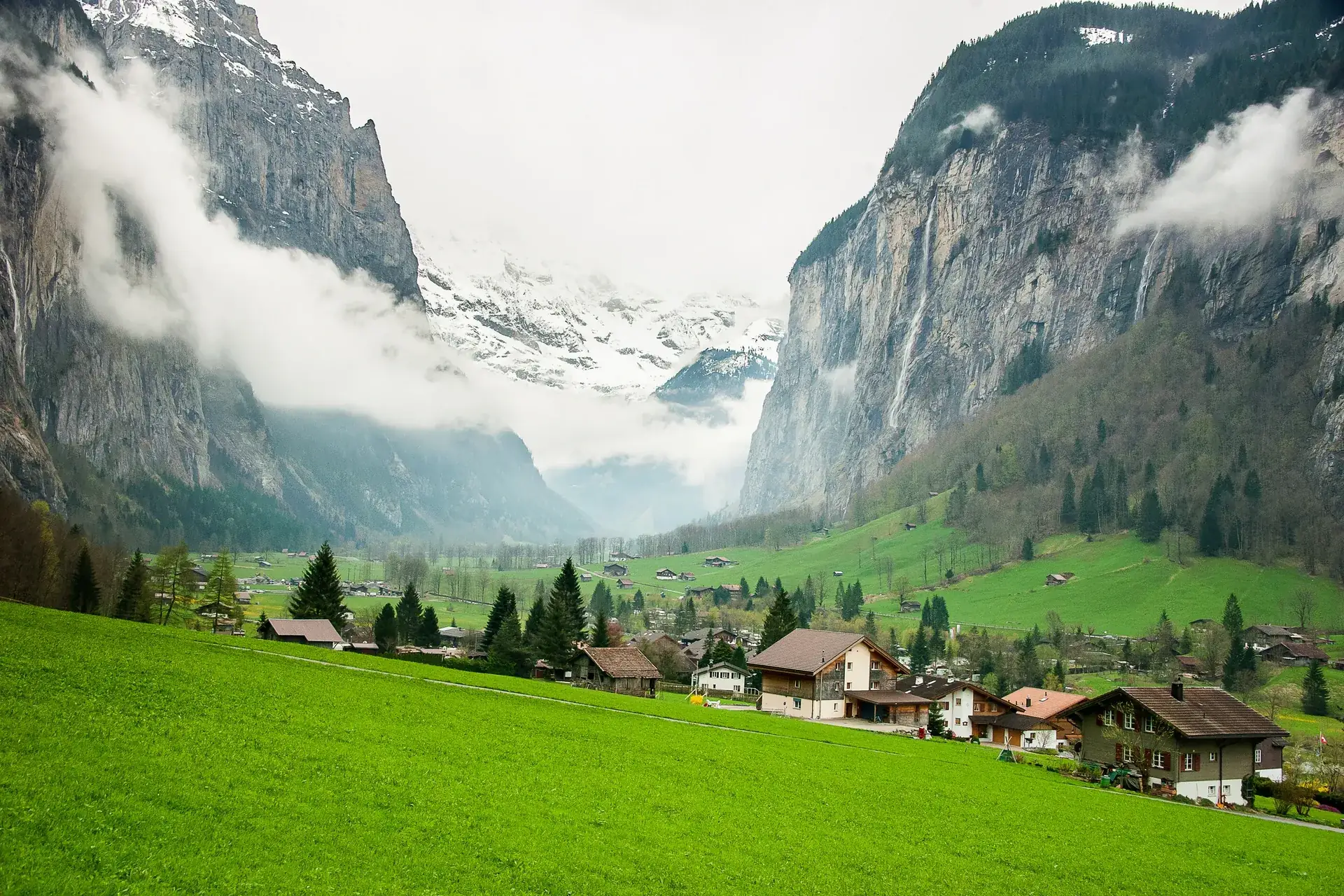
Switzerland is small and its trains are excellent, so you can see a lot from just two or three bases.
Five days
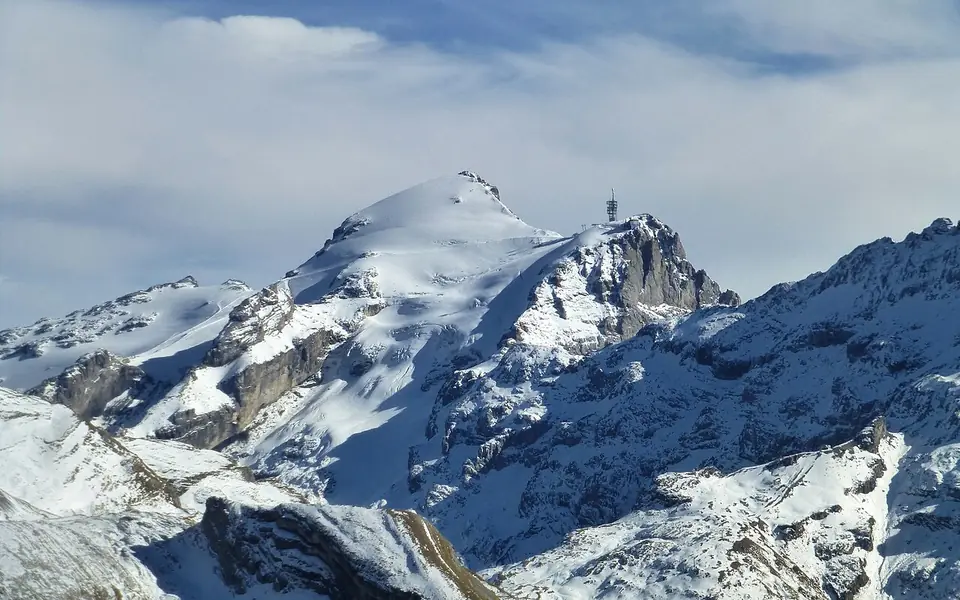
- Nights 1–2: Lucerne. The Chapel Bridge and old town, a lake cruise and a day trip up Mount Titlis or Pilatus.
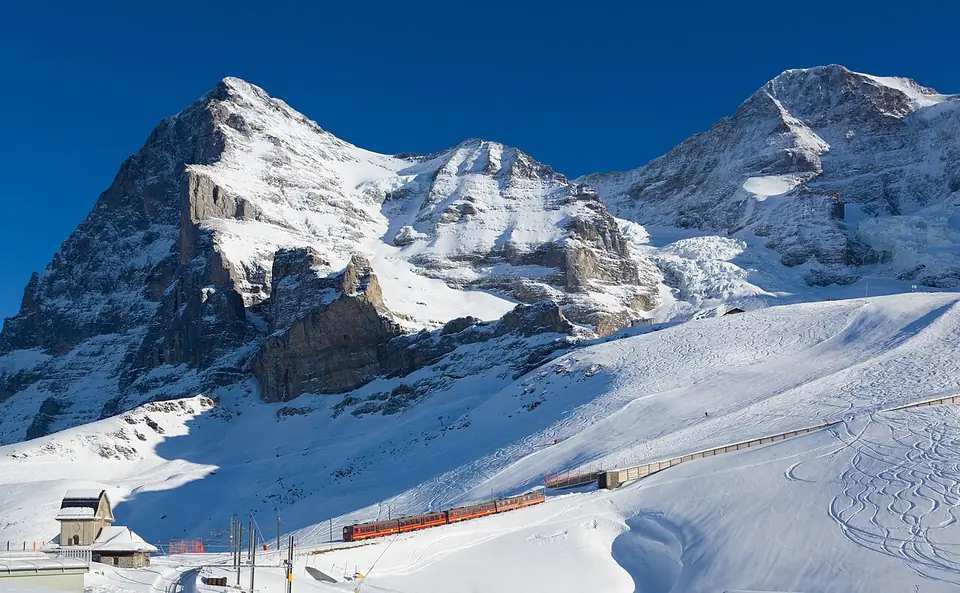
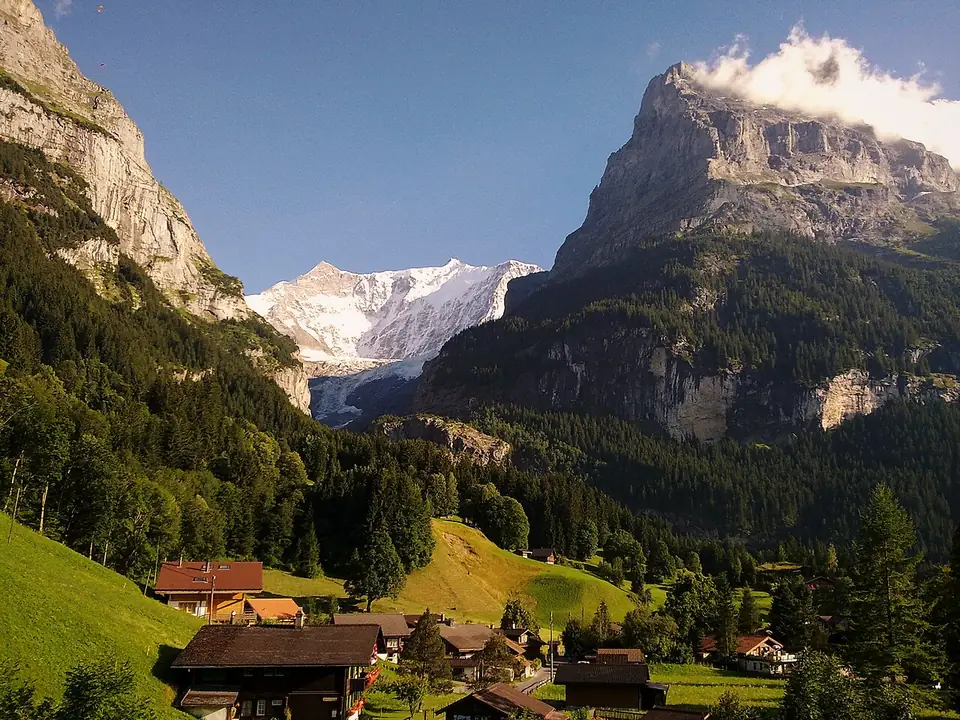
- Nights 3–4: Interlaken & Jungfrau. Take the GoldenPass line from Lucerne. Ride up to Jungfraujoch, the highest railway station in Europe, and explore Grindelwald or Lauterbrunnen.
- Fly home from Zurich.
Seven days
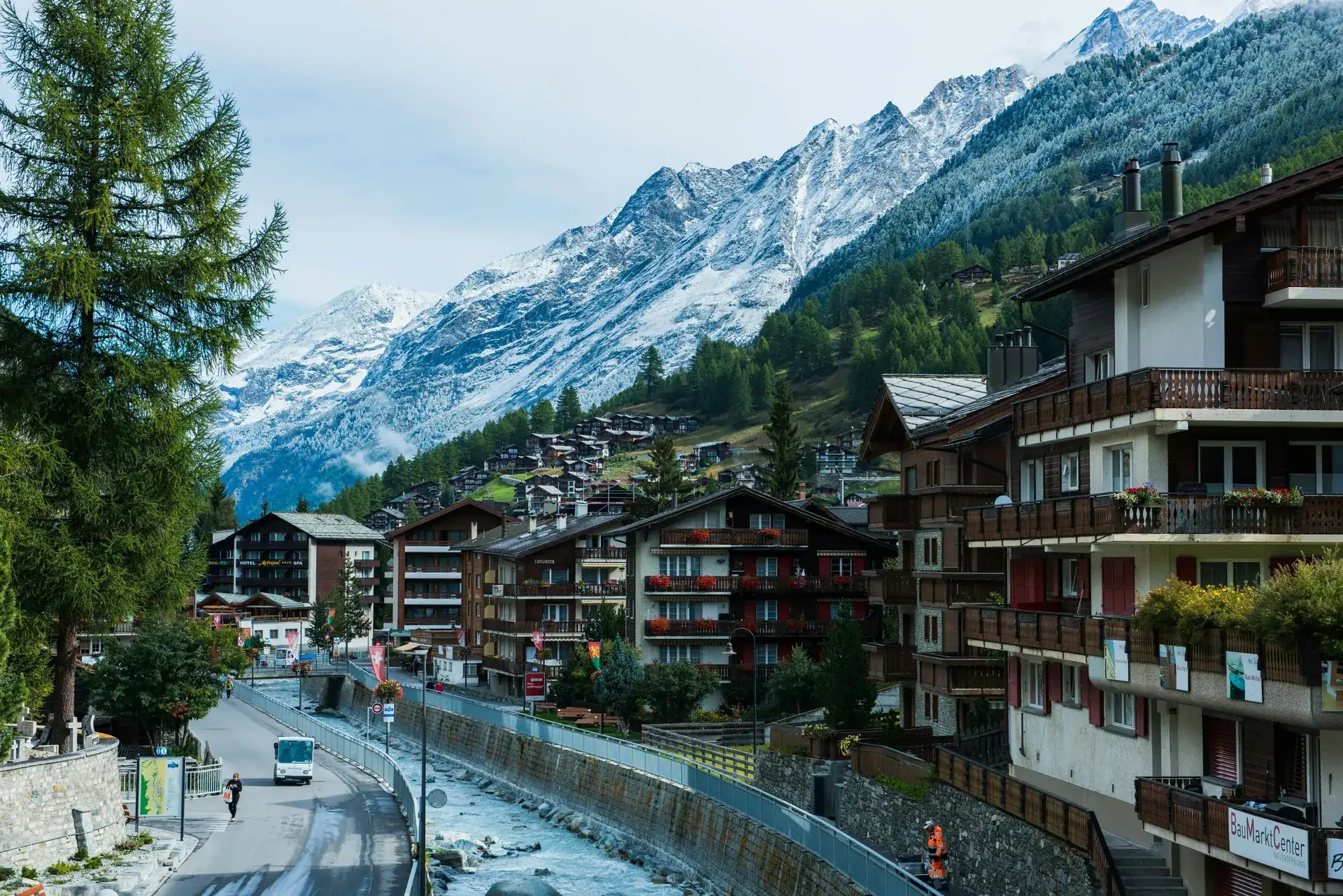
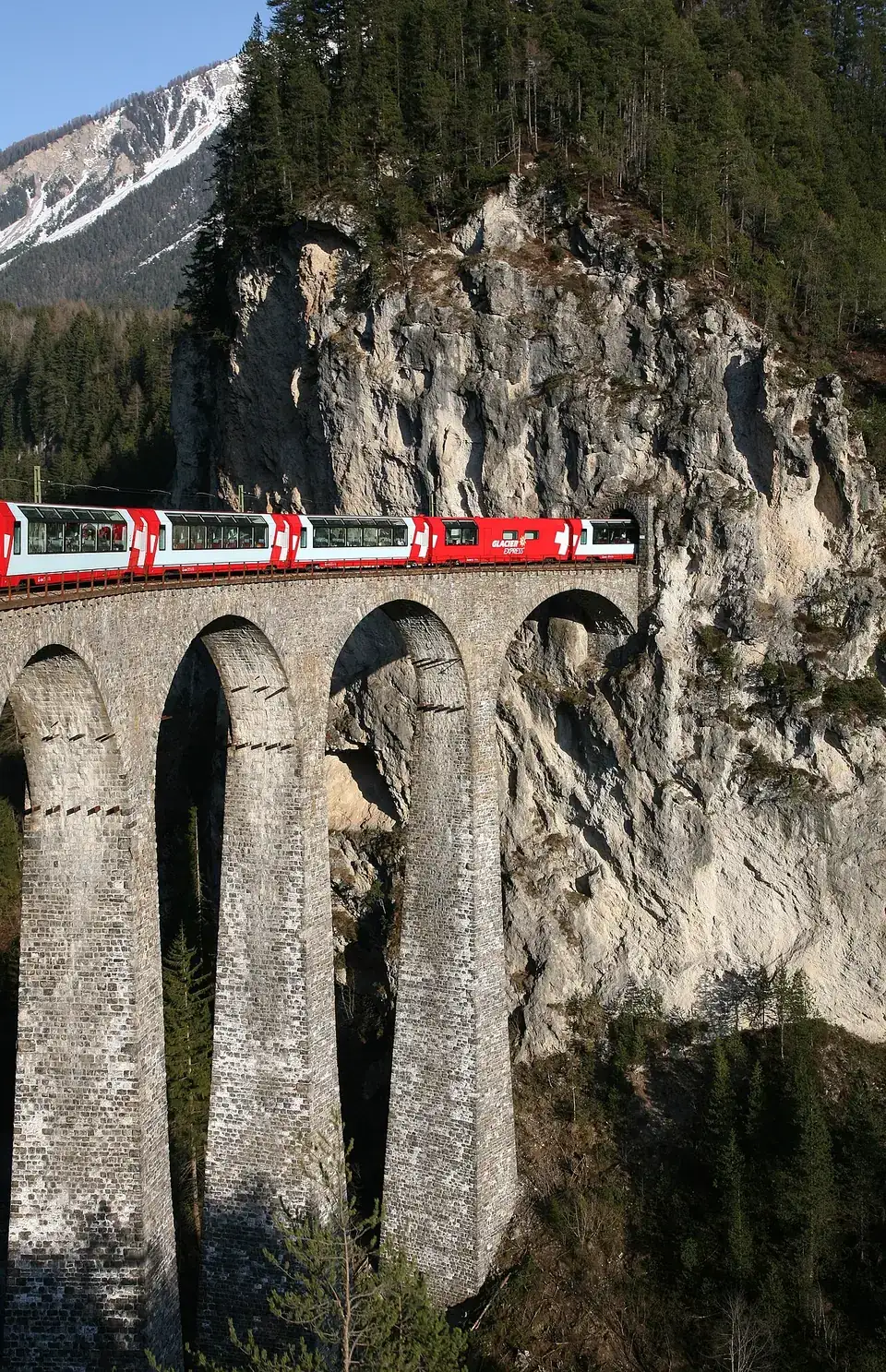
Add two nights in Zermatt, under the Matterhorn. Zermatt is car-free and reached by train. Ride the Gornergrat railway for glacier views. From Zermatt, the Glacier Express runs east to St Moritz (seasonal and bookable well ahead).
Starting in Zurich
If you land in the morning, spend your first night in Zurich to rest, visit the old town and take a short trip to the Rhine Falls.
Mountain excursions and weather
Mountain-top excursions are expensive and weather-dependent. Check the summit webcams in the morning. If one day is cloudy, swap it with a lake or town day. Building one flexible day into your plan saves a lot of disappointment.
Rail passes
A Swiss Travel Pass covers trains, buses, boats and many museums, and gives discounts on mountain excursions. Whether it saves money depends on your route. See Swiss Travel Pass explained: what it covers and when it pays off.
Indian food
Interlaken, Lucerne and Zurich have several Indian restaurants. Many hotels also offer vegetarian options on request.
Combining with other countries
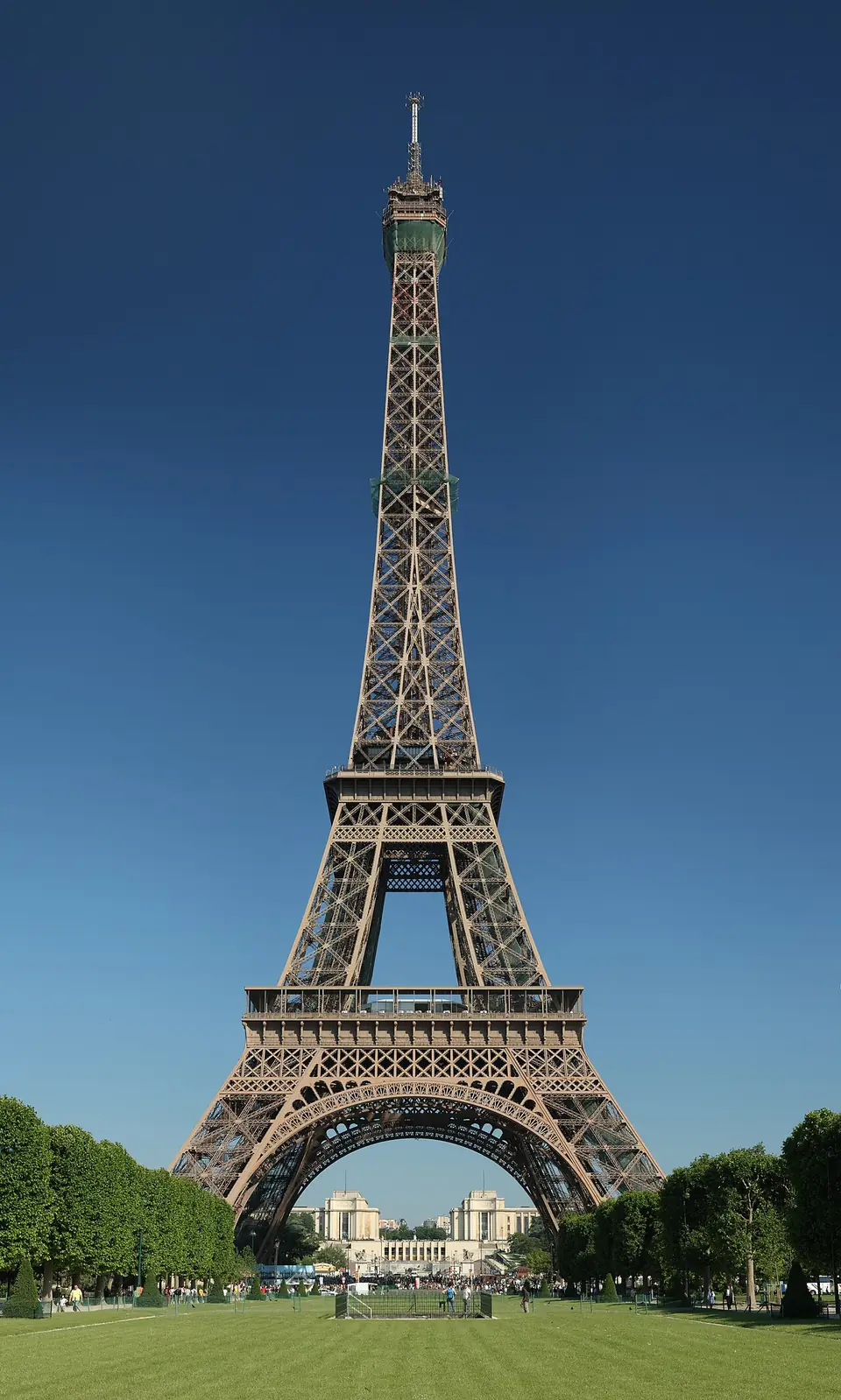
Switzerland combines easily with Paris (about four hours by TGV to Basel or Zurich) or with Italy over the Alps. See Multi-country tours.
When to go
June to September for green scenery; January to March for snow. See Best time to visit Switzerland: summer lakes or winter snow?.
 When to go
 When to go
 When to go
 When to go