
Goa has a clear rhythm. From November to February it is sunny, busy and lively; from June to September it is green, rainy and quiet. The months in between are good value if you choose carefully.
November to February: peak beach season
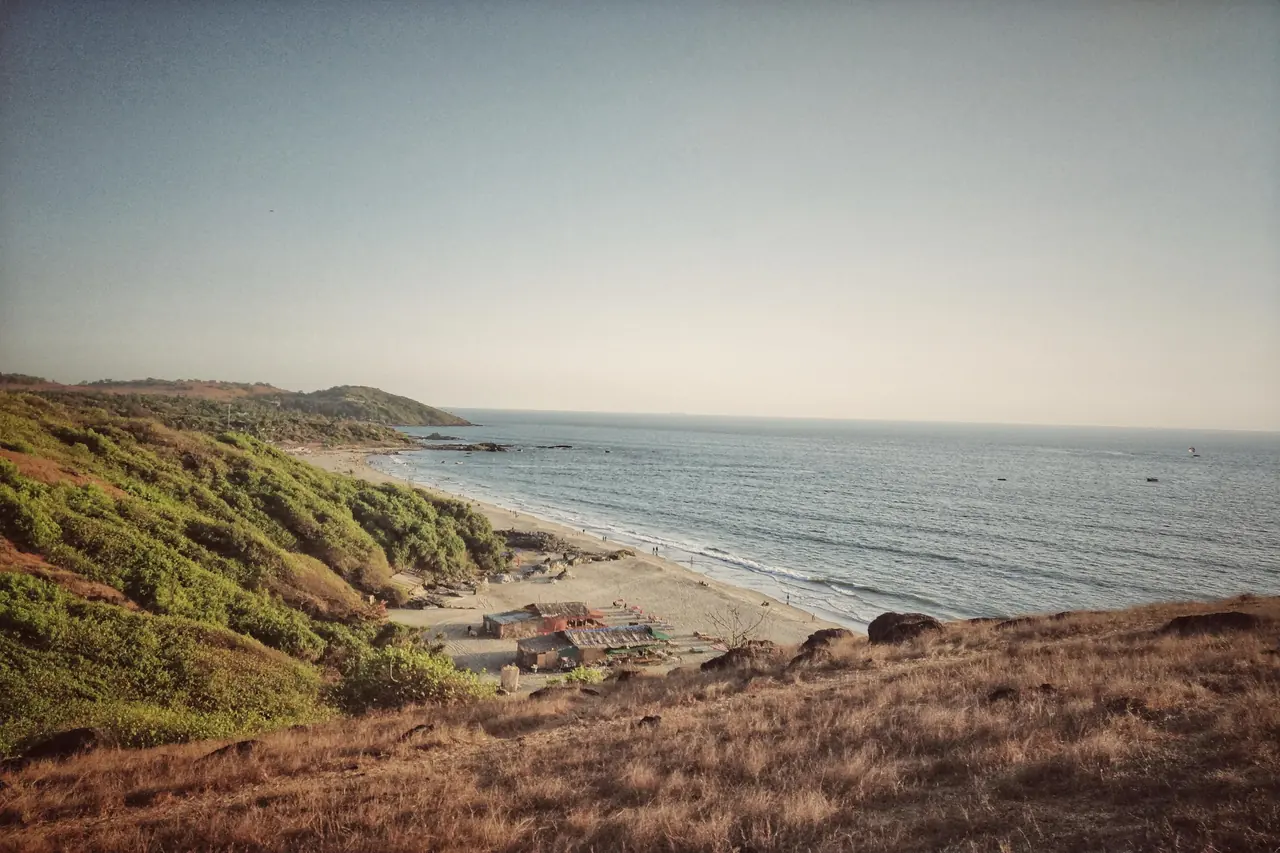
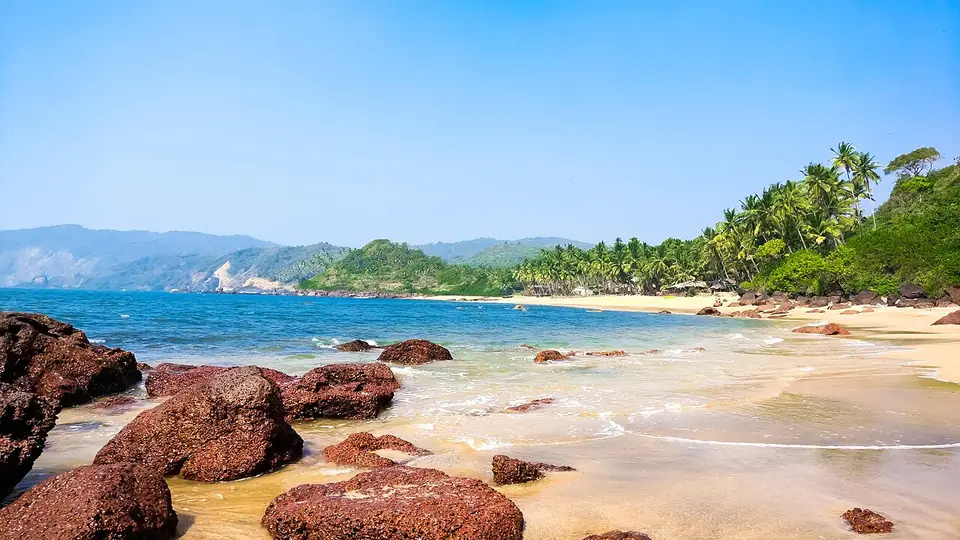
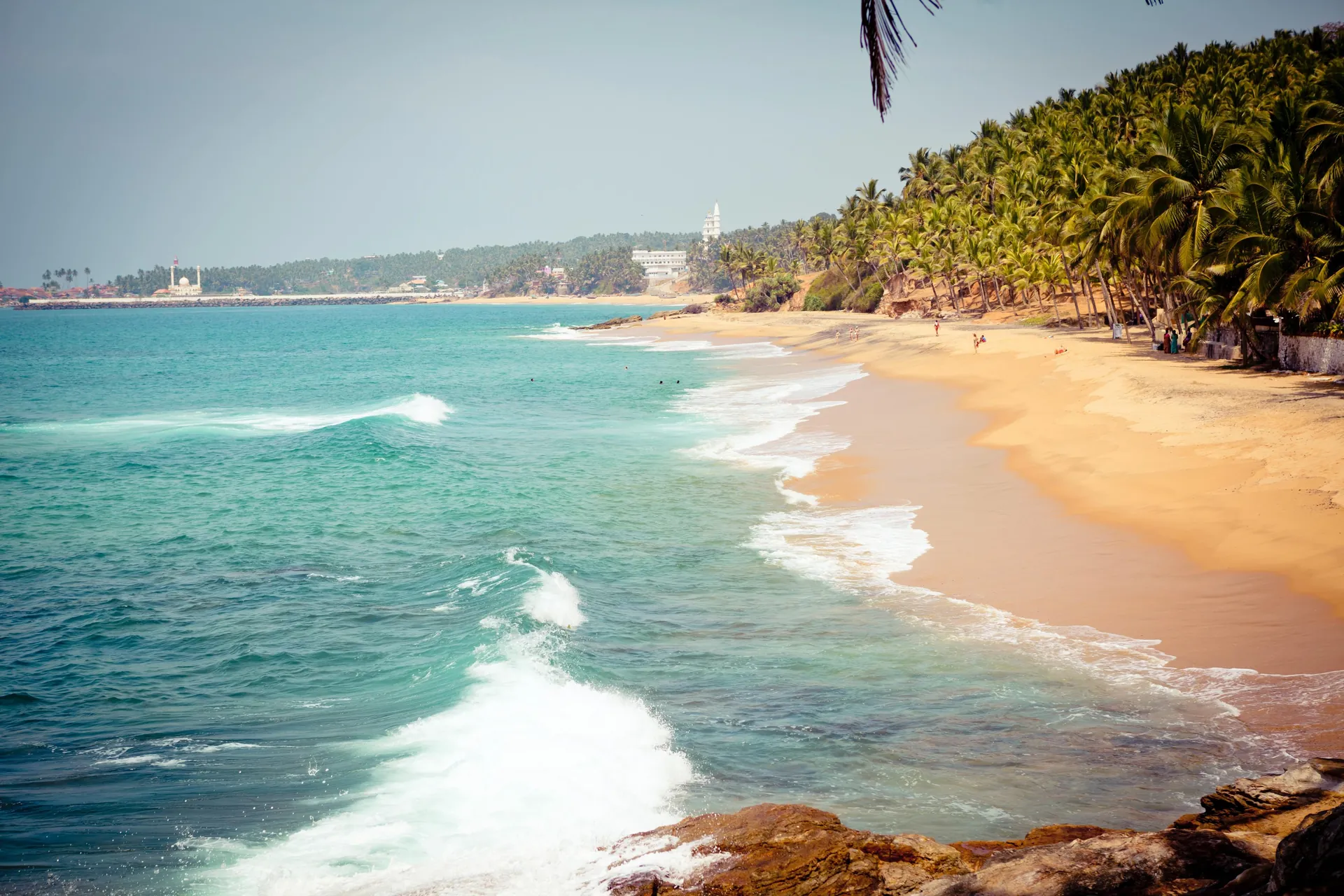
This is when most people go, and for good reason. Seas are calm, skies are clear and beach shacks are open from North Goa to South Goa.
- Late November and early December give you peak-season weather without peak-season prices.
- Christmas and New Year are the busiest and most expensive. Hotels fill months ahead.
- January and February are pleasant and slightly calmer after the holidays.
March to May: warm and good value
Temperatures and humidity rise, and by May the sun is fierce in the middle of the day. Mornings and evenings are still fine on the beach, and hotel prices drop. Shigmo, Goa's spring festival, brings colourful parades in March.
June to September: monsoon Goa
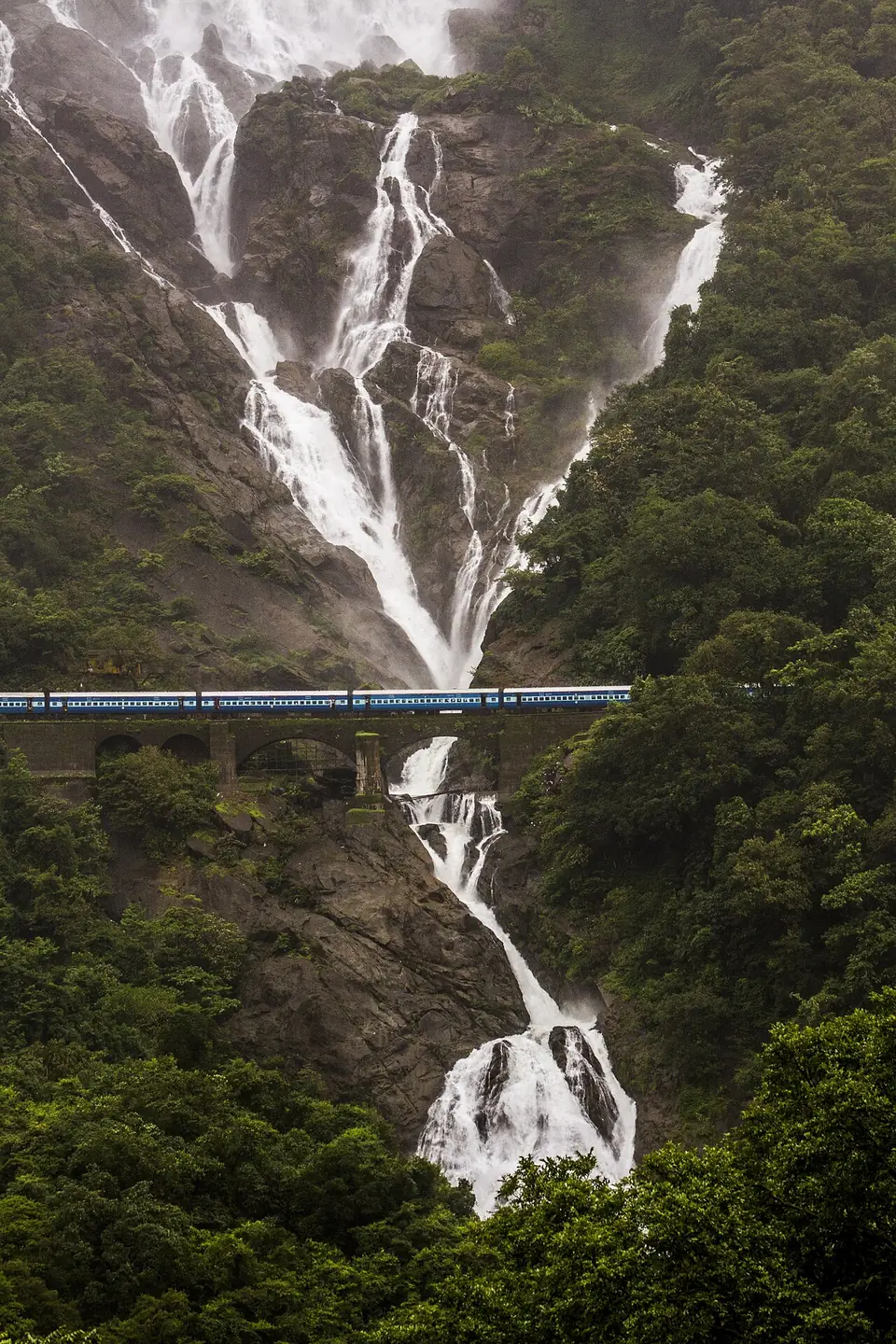
Heavy rain arrives in June. Many shacks close and the sea is rough and unsafe for swimming; lifeguards often restrict entry. But inland Goa turns lush, waterfalls flow, and you can stay in good hotels at a fraction of winter prices.
- Visit Dudhsagar Falls soon after the rains when access reopens.
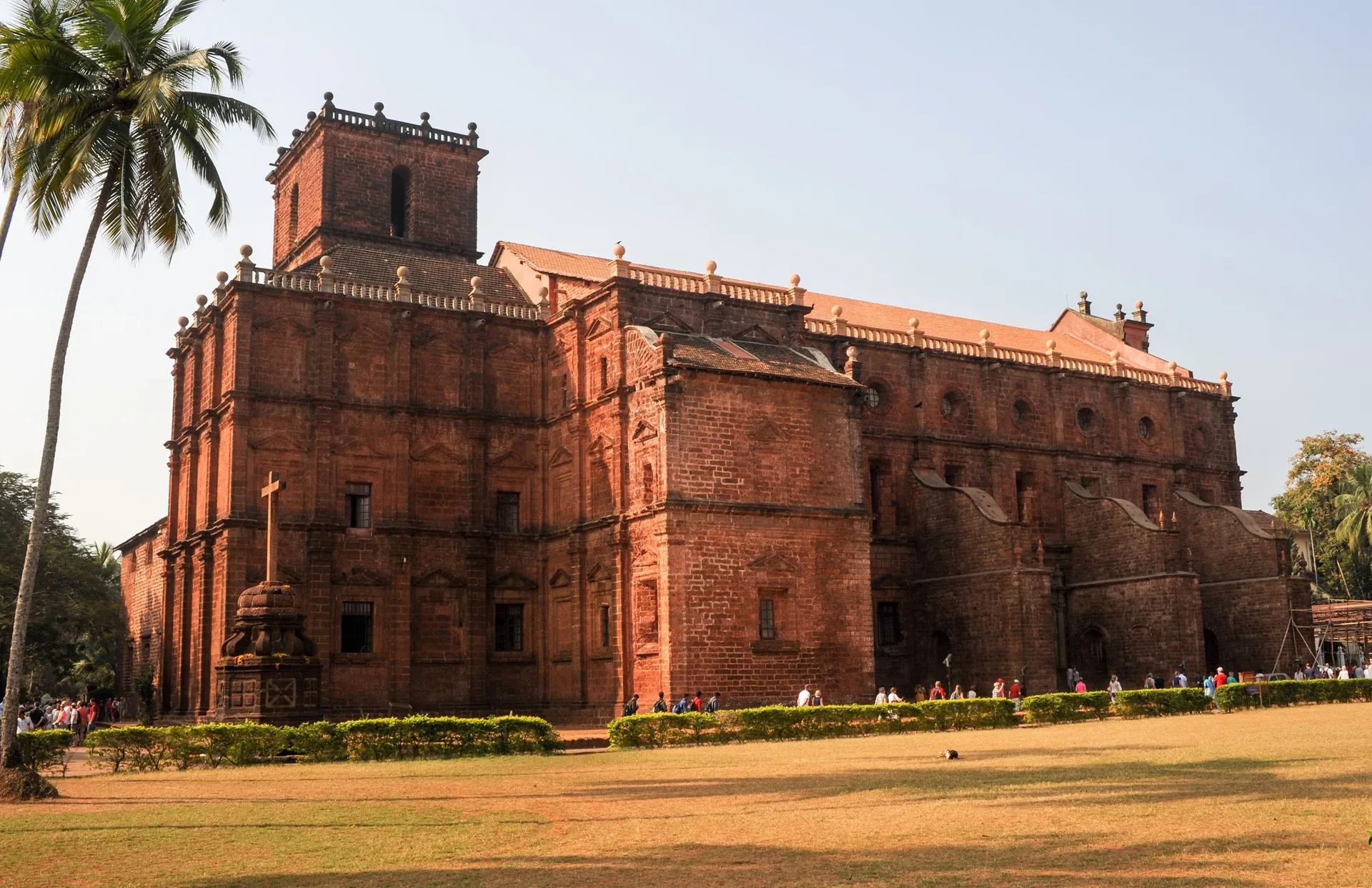
- Explore spice farms, Old Goa's churches and Fontainhas in Panaji without crowds.
- It suits couples and friends who want a quiet, rainy break rather than a beach holiday.
October: shoulder season
The rains taper off and Goa wakes up. Some places are still opening, but the weather is often fine and prices are reasonable.
North or South?
The month matters less than the side you pick. North Goa has the nightlife and markets; South Goa has long, quiet beaches. Many travellers split their stay, as in our Beach holidays itineraries.
Quick answer
For classic sun and sea, go between late November and February. For value, try October or March. For a green, quiet escape, go in the monsoon and plan for rain.



 When to go
 When to go
 When to go
 When to go