Switzerland's public transport is excellent but expensive. The Swiss Travel Pass is an all-in-one ticket for visitors, and for many first-time itineraries it is good value.
What it covers
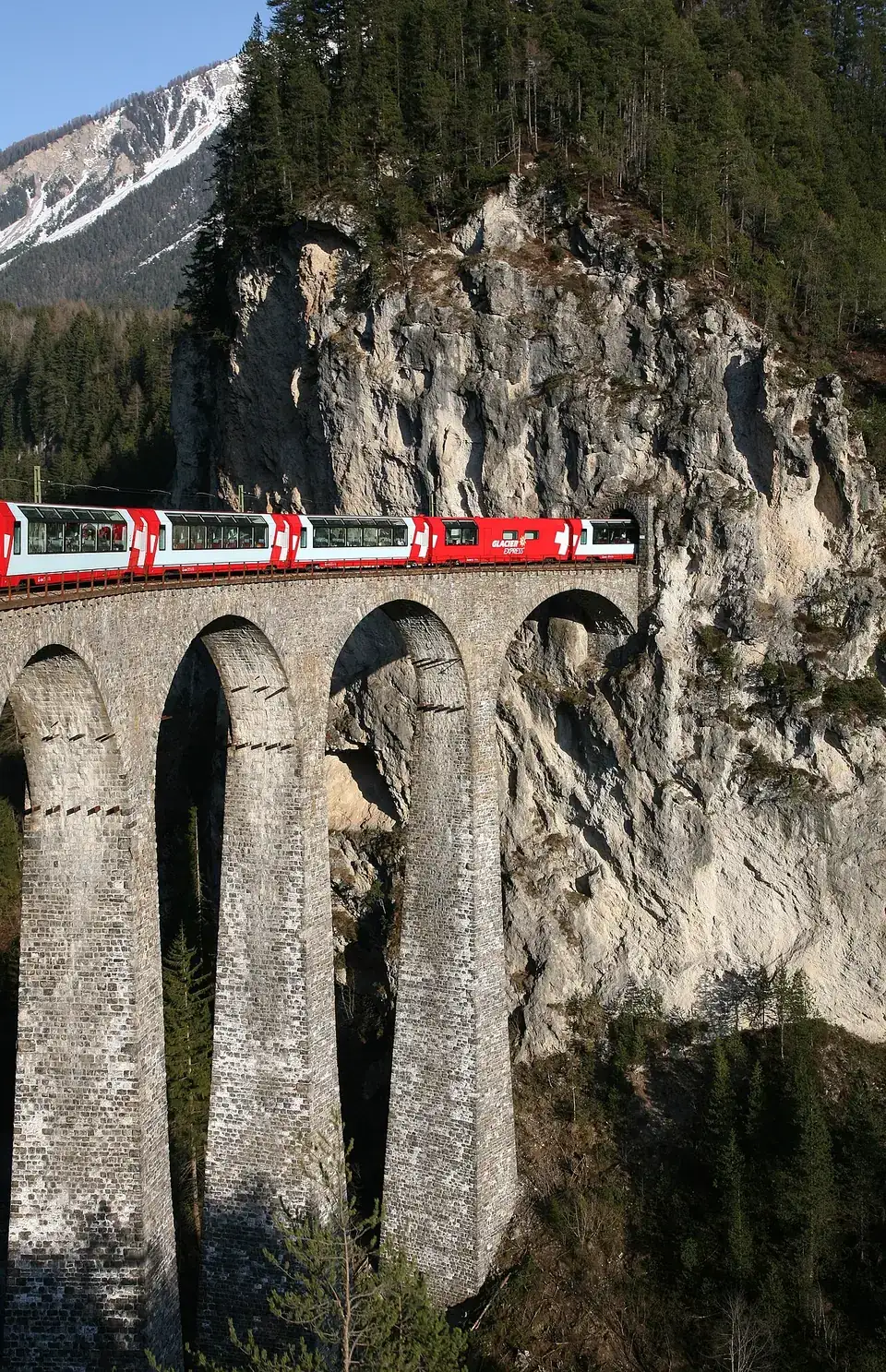
- Unlimited travel on most trains, buses and boats across the Swiss network, including panoramic routes such as the GoldenPass line and the Bernina Express (seat reservations extra).
- City public transport in most towns.
- Free entry to many museums.
- Some mountain excursions are included, such as Mount Rigi near Lucerne.
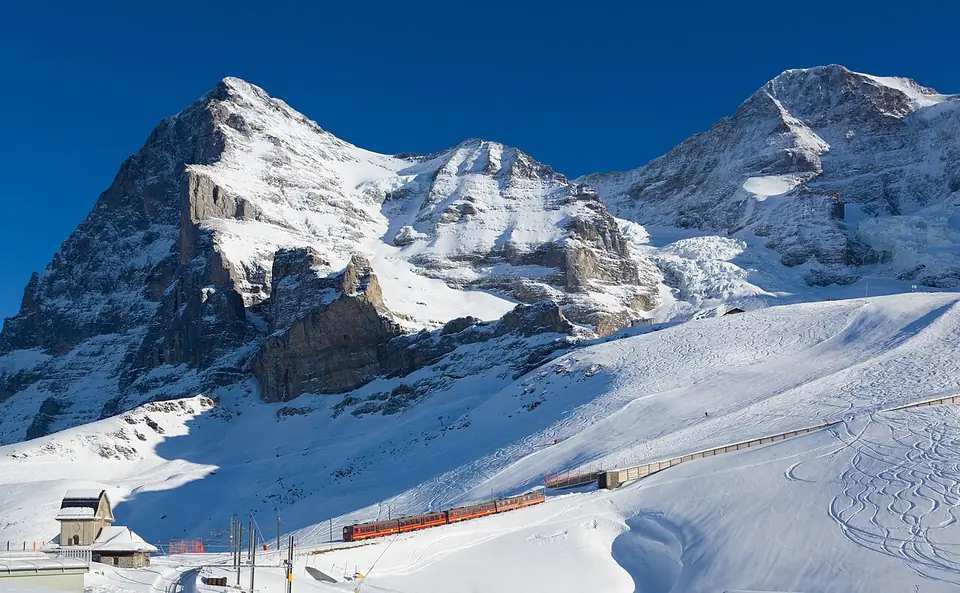
- Many other mountain excursions are discounted, not free, including Jungfraujoch above Interlaken & Jungfrau and Mount Titlis.
Consecutive or flex
- Consecutive passes cover a run of days in a row.
- Flex passes let you choose travel days within a month, useful if you have rest days.
Seat reservations
Panoramic trains such as the Glacier Express and Bernina Express require a paid seat reservation even with the pass. Book these well ahead in summer.
Alternatives
- Half Fare Card: pay a one-off fee, then get half price on most tickets for a month. It can beat the pass if you travel only a few times.
- Regional passes: the Jungfrau region and the Lake Lucerne area have their own passes, good for a long stay in one area.
- Point-to-point tickets: fine for a very simple itinerary.
How to decide
List your journeys and excursions, price them individually, and compare. A typical first trip with Zurich, Lucerne, Interlaken and a couple of mountain excursions often comes out cheaper with a pass, especially as museum entries and city transport are included. We calculate this when we plan your trip.
Children
Children under a certain age travel free with a parent holding a Family Card, which is free on request. Confirm current age limits before booking.
See Switzerland in 5 to 7 days: Lucerne, Interlaken and Zermatt.
 When to go
 When to go
 When to go
 When to go