

Trains are the easiest way to travel between European cities. City centre to city centre, they are often as fast as flying once you count airport time.
High-speed trains
Fast trains link many major cities: Paris to Brussels, Amsterdam, London (through the Channel Tunnel), Switzerland and Italy; and within Italy, Spain and Germany. Journeys of three to four hours are common and comfortable.
Rail passes or individual tickets?
- Rail passes (such as Eurail for non-European residents) give flexibility across many countries. Most high-speed and night trains need an extra paid seat reservation on top of the pass.
- Advance individual tickets on popular high-speed routes can be very cheap if bought early, but are usually non-refundable and fixed to one train.
For a typical first trip with four or five long journeys on fixed dates, advance tickets often cost less. For a long, flexible trip, a pass can be better. We compare both for your route.
Seat reservations
On many high-speed trains in France, Italy and Spain, reservations are compulsory. Regional trains generally do not need them.
Validate your ticket
In some countries, paper tickets for regional trains must be validated in a machine on the platform before boarding. In Italy in particular, fines for unvalidated tickets are common.
Luggage
There are no weight limits on most trains, but you must lift your own bags onto overhead racks or into luggage areas. Travel with one medium suitcase per person if you can.
Stations
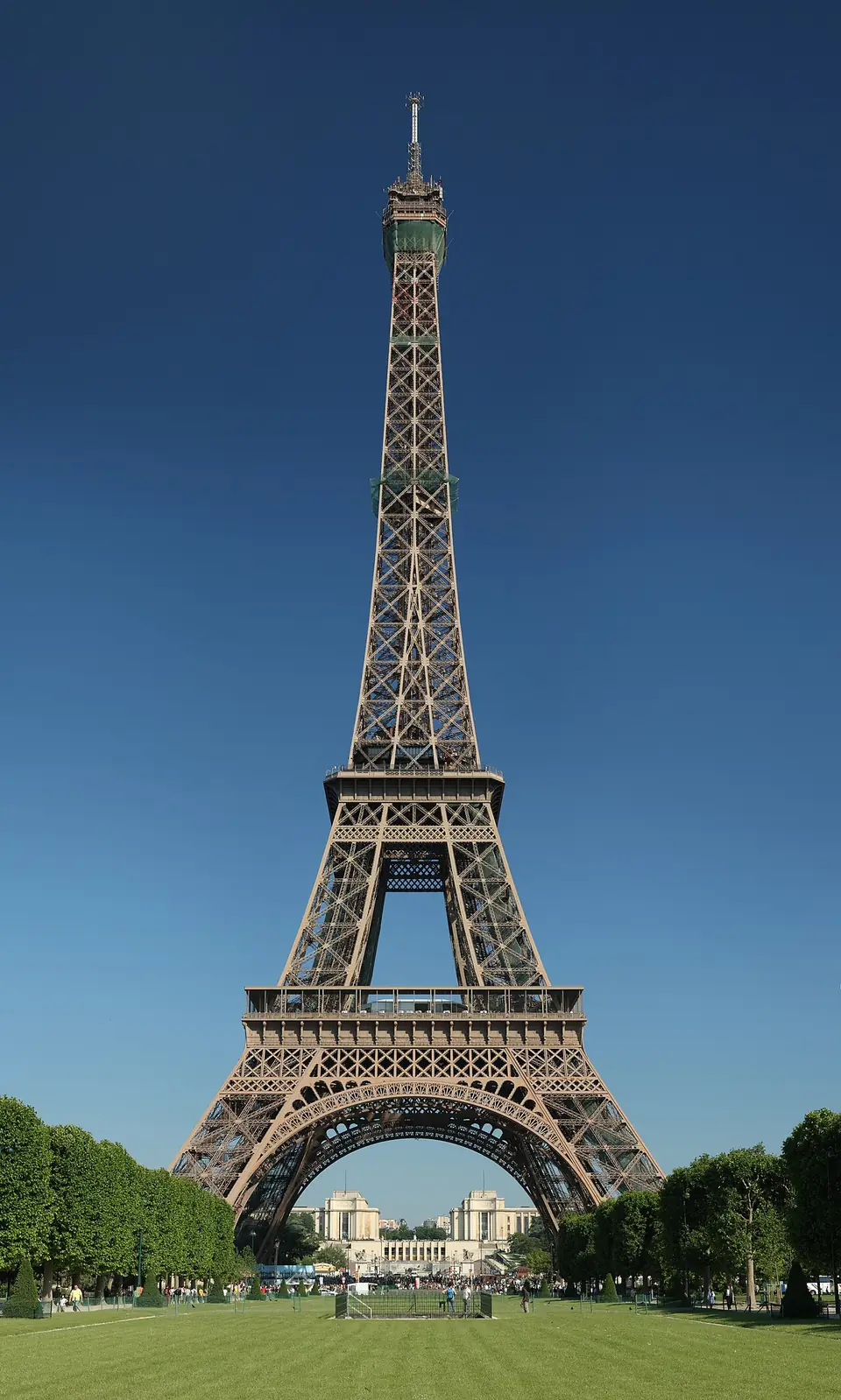
- Paris has several mainline stations; check which one your train uses.
- Allow 20 to 30 minutes before departure at big stations, and longer for the Eurostar, which has security and passport checks.
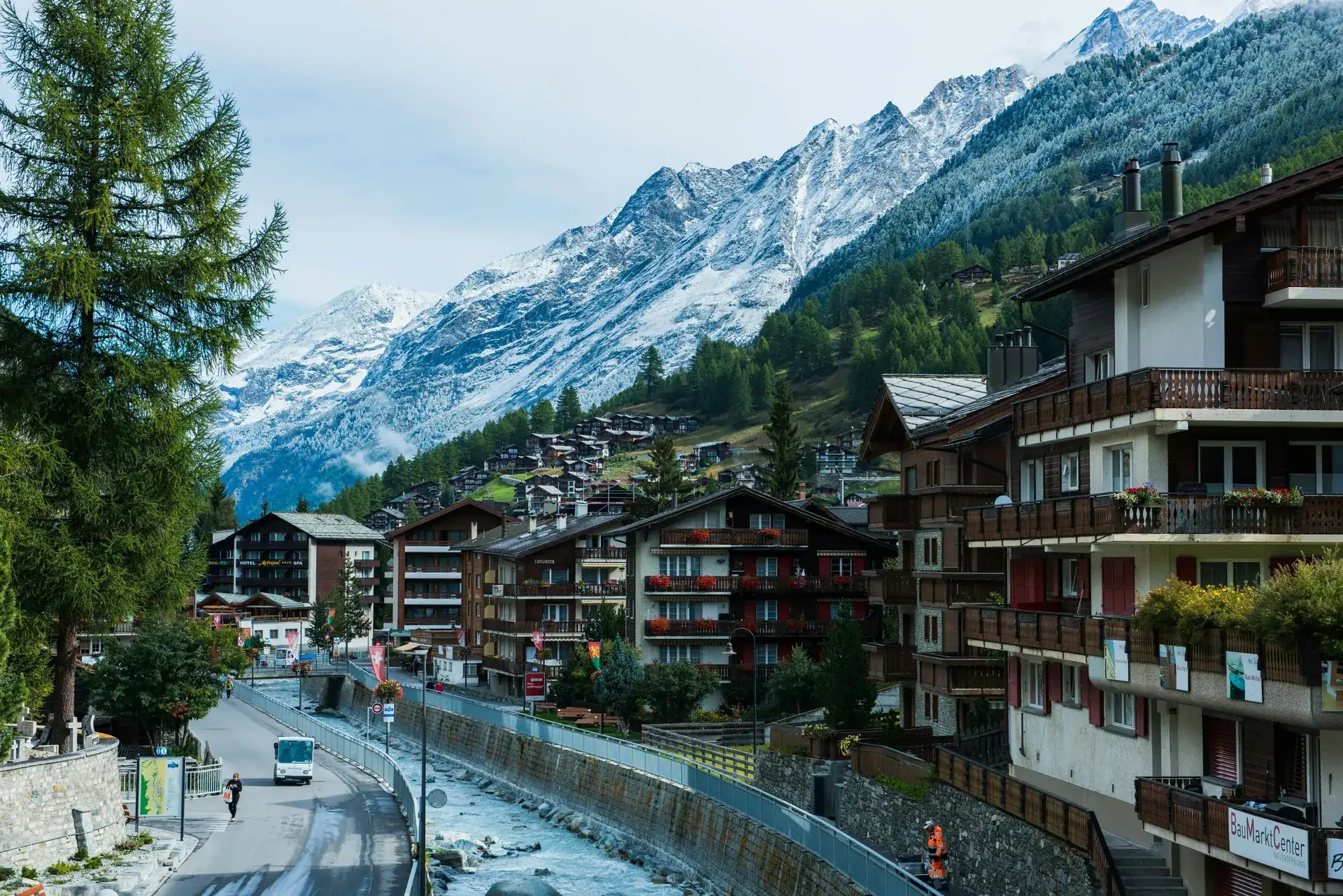
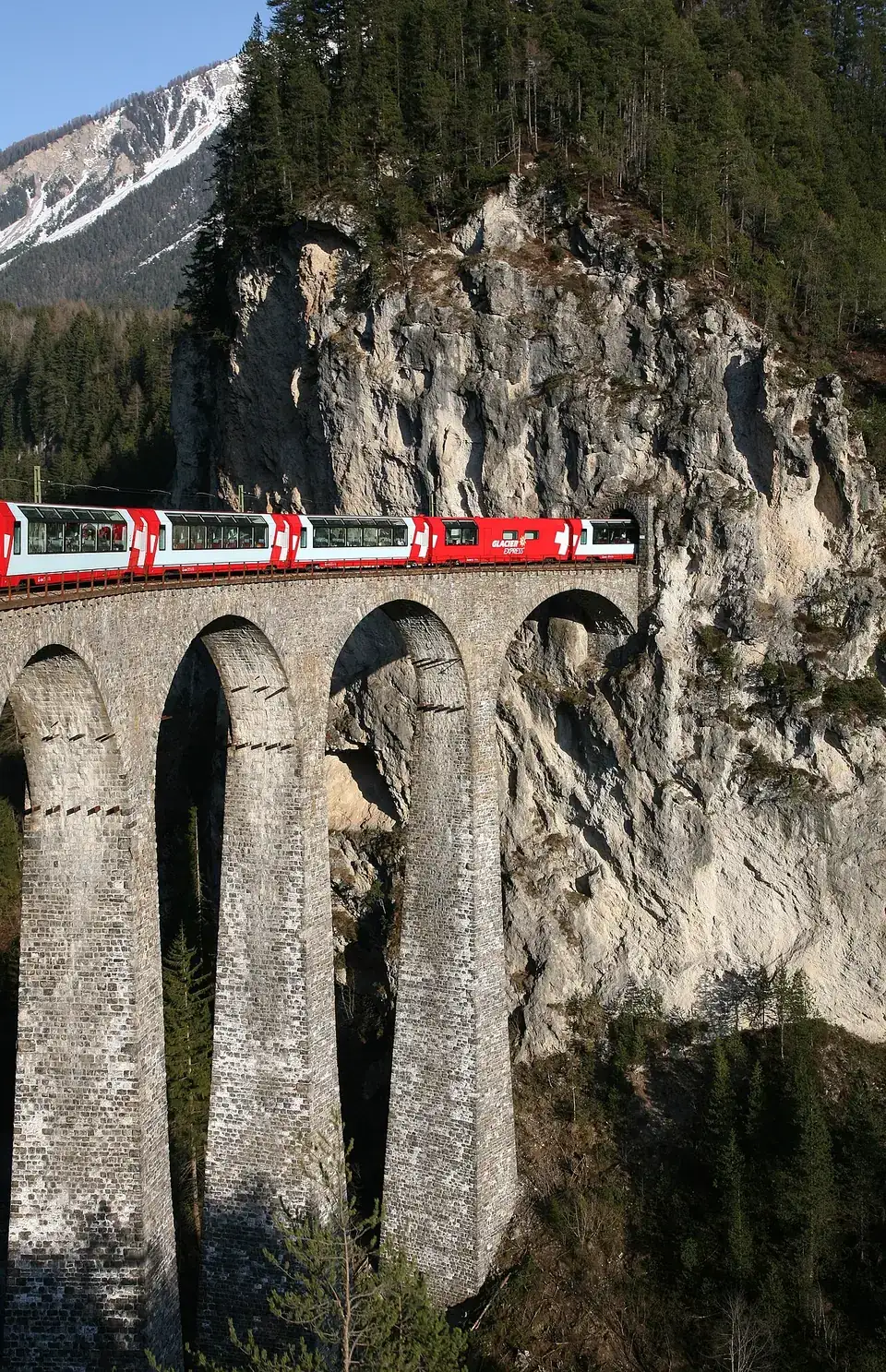
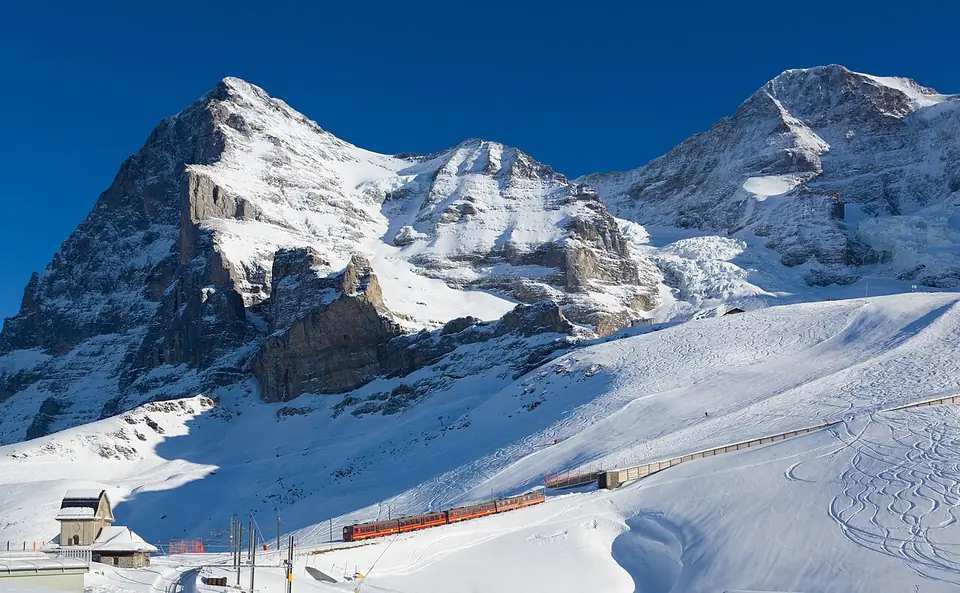
Switzerland
Switzerland has its own pass system. See Swiss Travel Pass explained: what it covers and when it pays off.
Our Your first Europe trip in 10 to 12 days: a realistic route guide shows a route built around trains.


 When to go
 When to go
 When to go
 When to go