
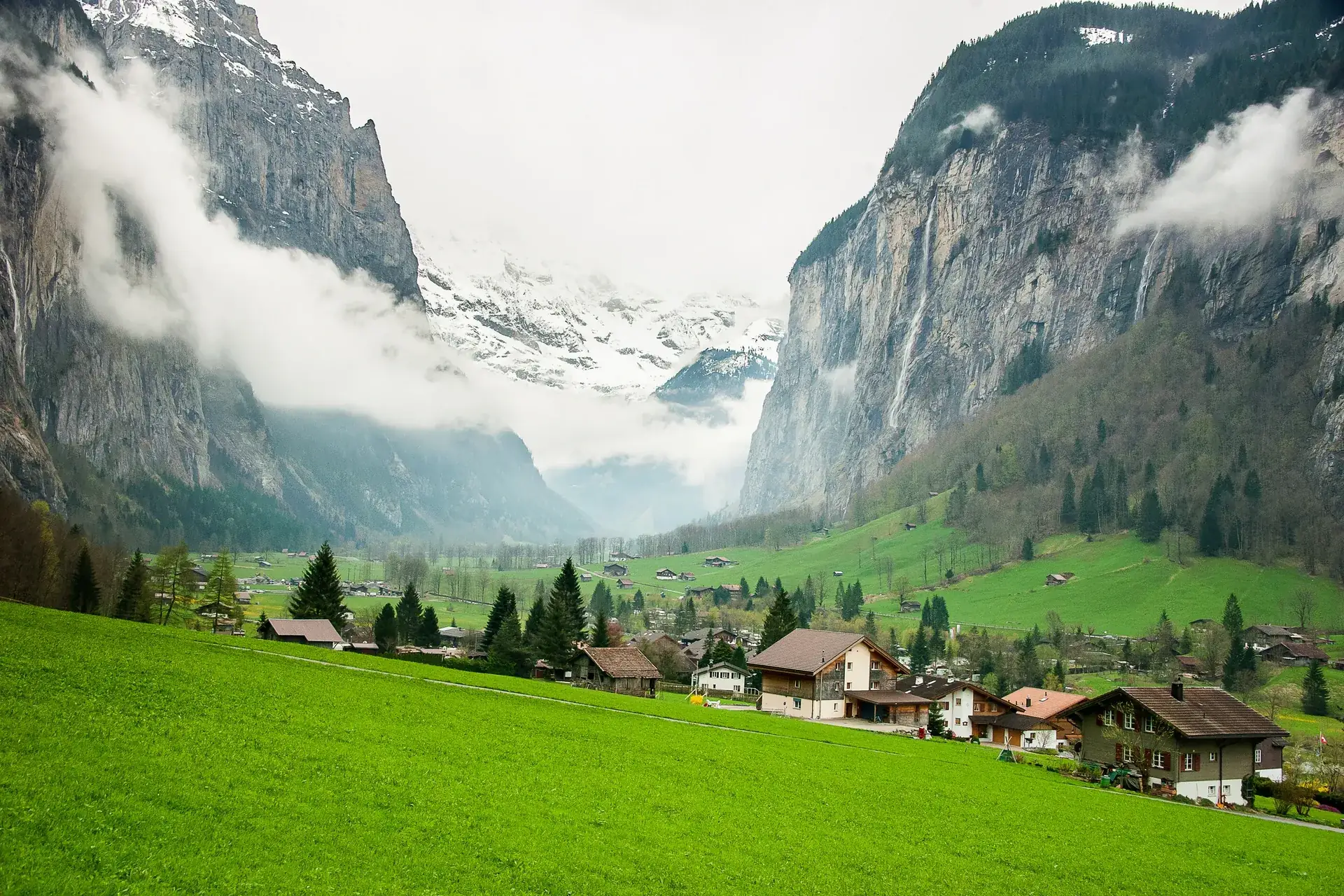
For Indian travellers, the time to visit Europe often depends on school holidays and leave, but the season shapes the whole trip: weather, crowds, prices and even how many hours of daylight you have for sightseeing.
Summer (June to August)
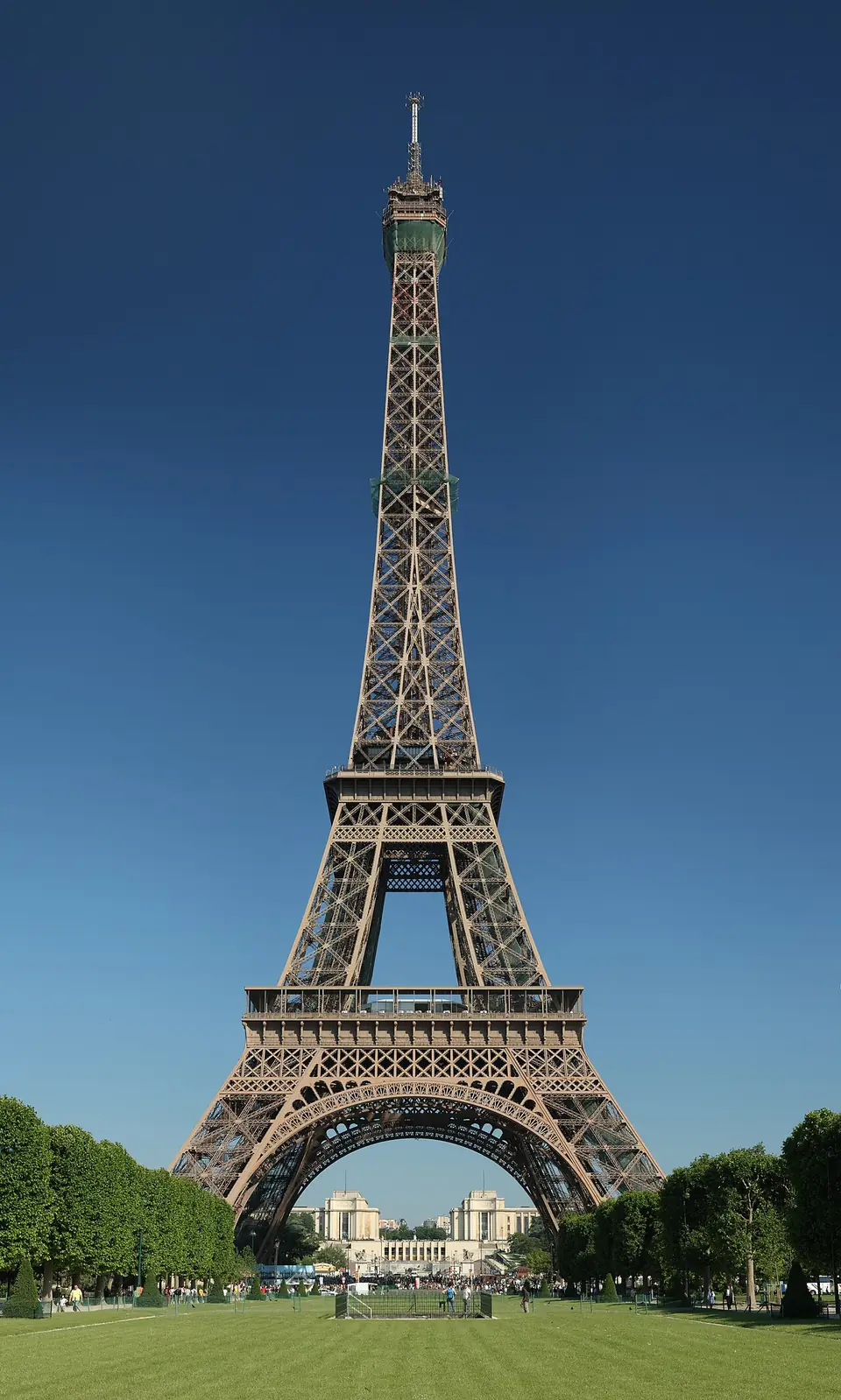
Long days, warm weather and everything open. This is when most Indian families travel, during school holidays. The downside is crowds and prices: queues at the Eiffel Tower, the Vatican and Swiss mountain excursions are longest, and southern Europe can be very hot in July and August. Book early, and use timed-entry tickets everywhere.
Shoulder seasons (April to May, September to October)
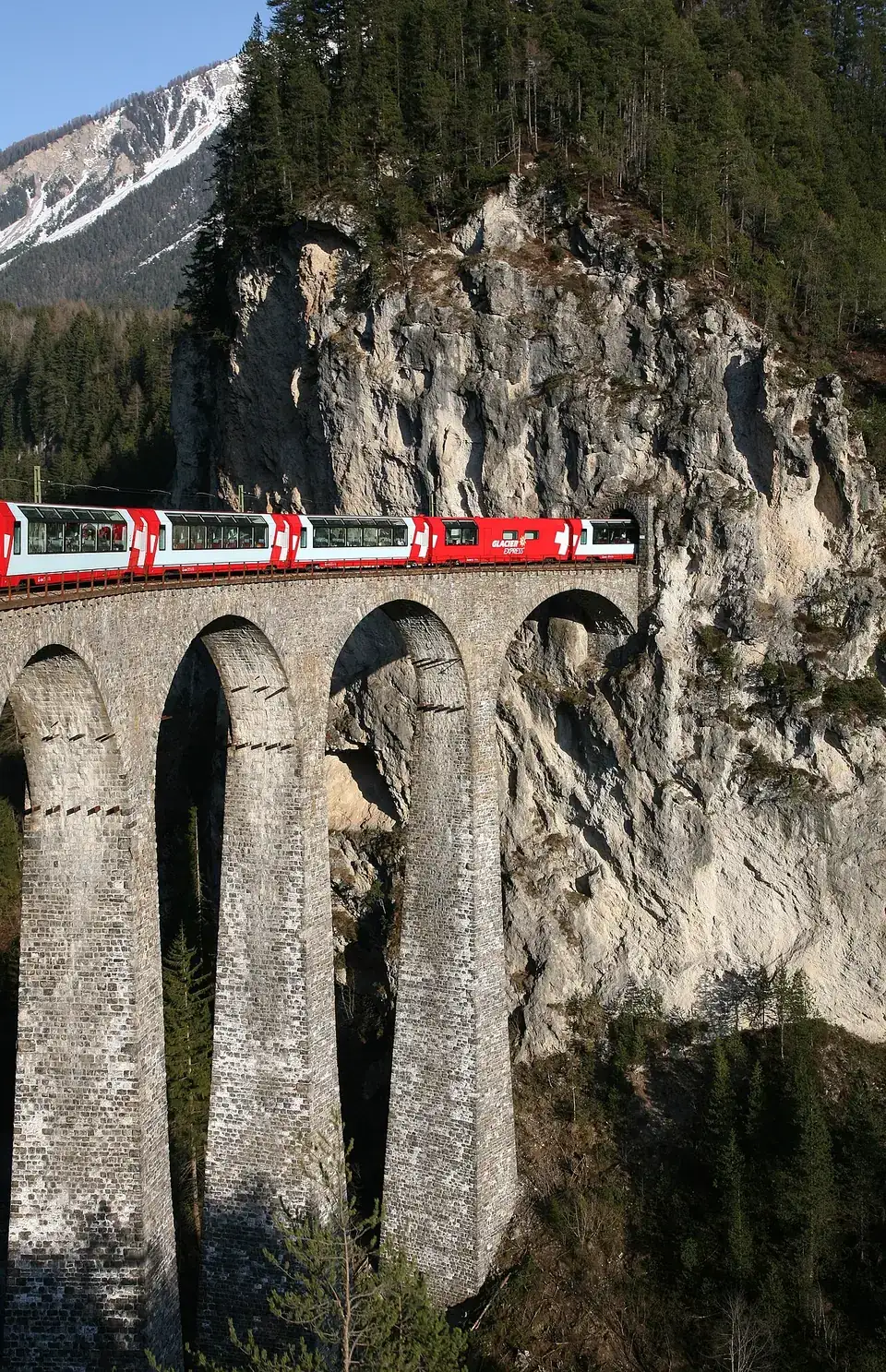
Many experienced travellers prefer these months. Days are mild, crowds are smaller and prices are often lower. Spring brings flowers and tulips in the Netherlands; September and early October bring harvest season and golden light in Florence & Tuscany and the Alps. Some mountain excursions in Switzerland run reduced schedules in spring and late autumn.
Winter (November to March)
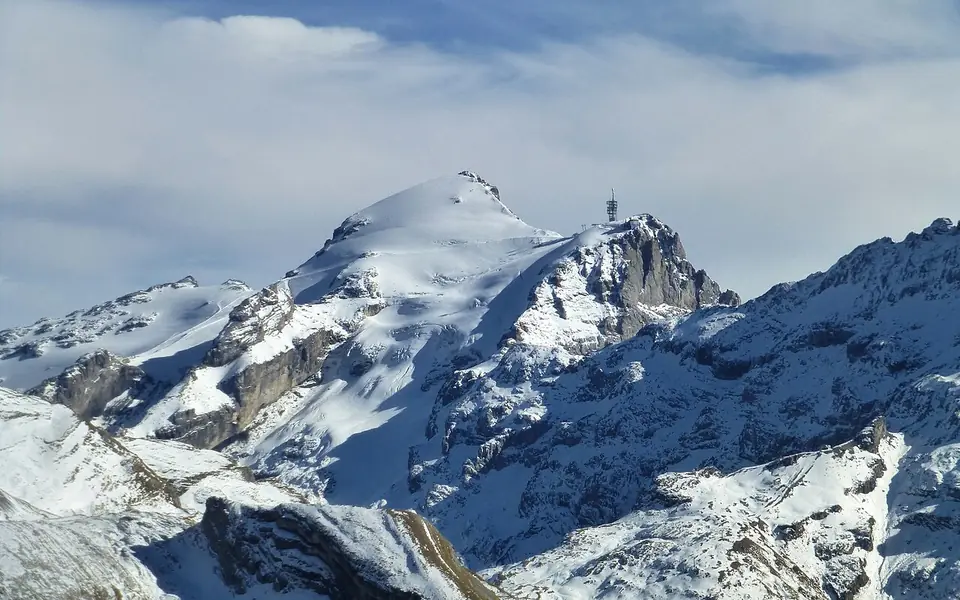
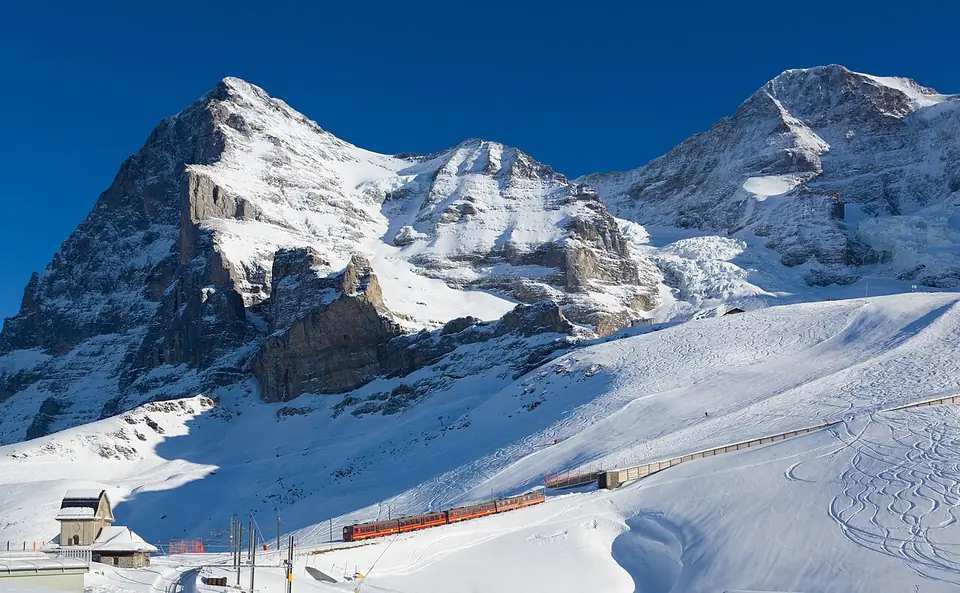
Cities are quieter and cheaper (outside Christmas and New Year), and December brings Christmas markets in Germany, Austria and elsewhere. Snow turns the Alps into a winter wonderland. Days are short, especially in the north, so plan fewer sights per day. For the northern lights, head to Finland, Norway or Iceland.
By region
- Mediterranean (Italy, Spain, Greece): best in May, June, September and early October.
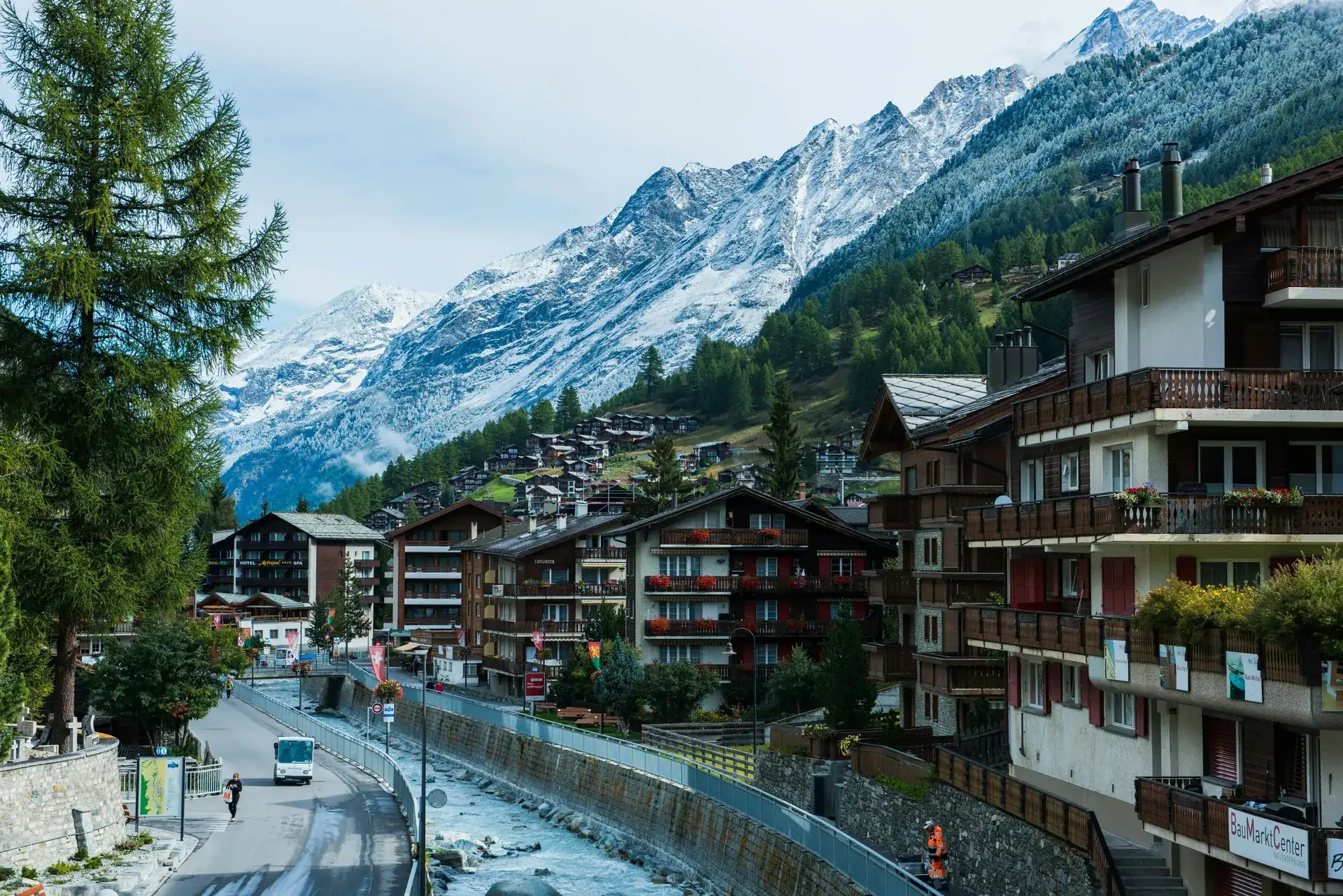
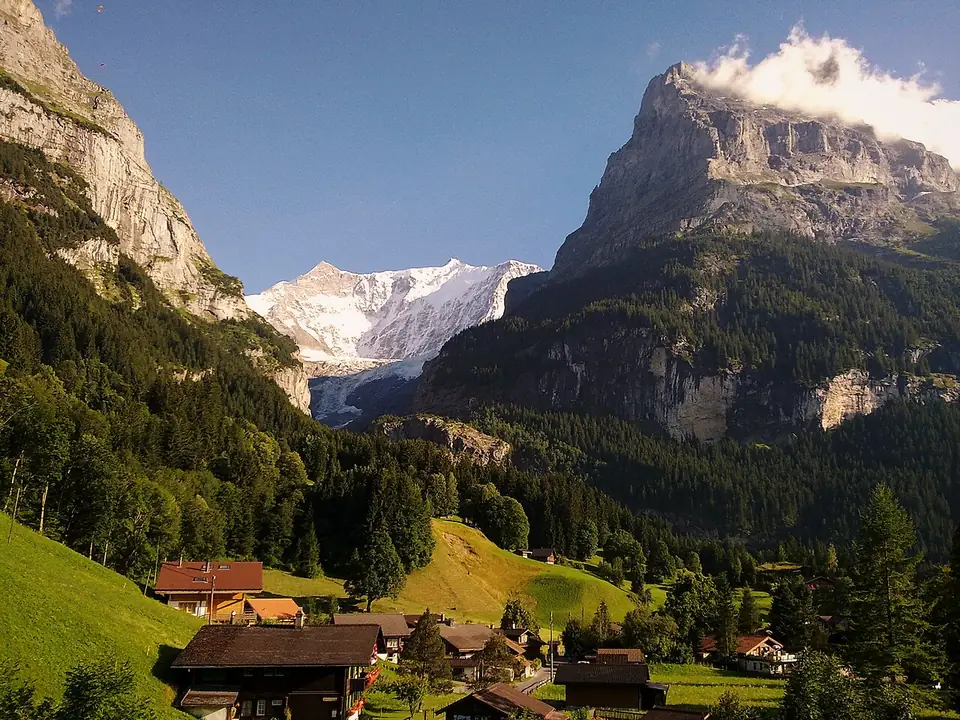
- Alps (Switzerland, Austria): June to September for green scenery; January to March for snow.
- Northern Europe (UK, Netherlands, Scandinavia): May to September for long days.
- Arctic: September to March for the aurora.
Visas
A Schengen visa covers most of mainland Europe; the UK needs a separate visa. Appointment waits can be long in peak season, so start the process as early as allowed. See Schengen visa for Indian travellers: how the process works.
Quick answer
For a first trip with good weather and manageable crowds, aim for late May, June or September. See our Multi-country tours page for itineraries.
 When to go
 When to go
 When to go
 When to go