
The monsoon, roughly June to September in most of India, puts many people off travelling. But some places are at their most beautiful in the rain, and prices drop. The key is choosing well and planning safely.
Where the monsoon shines
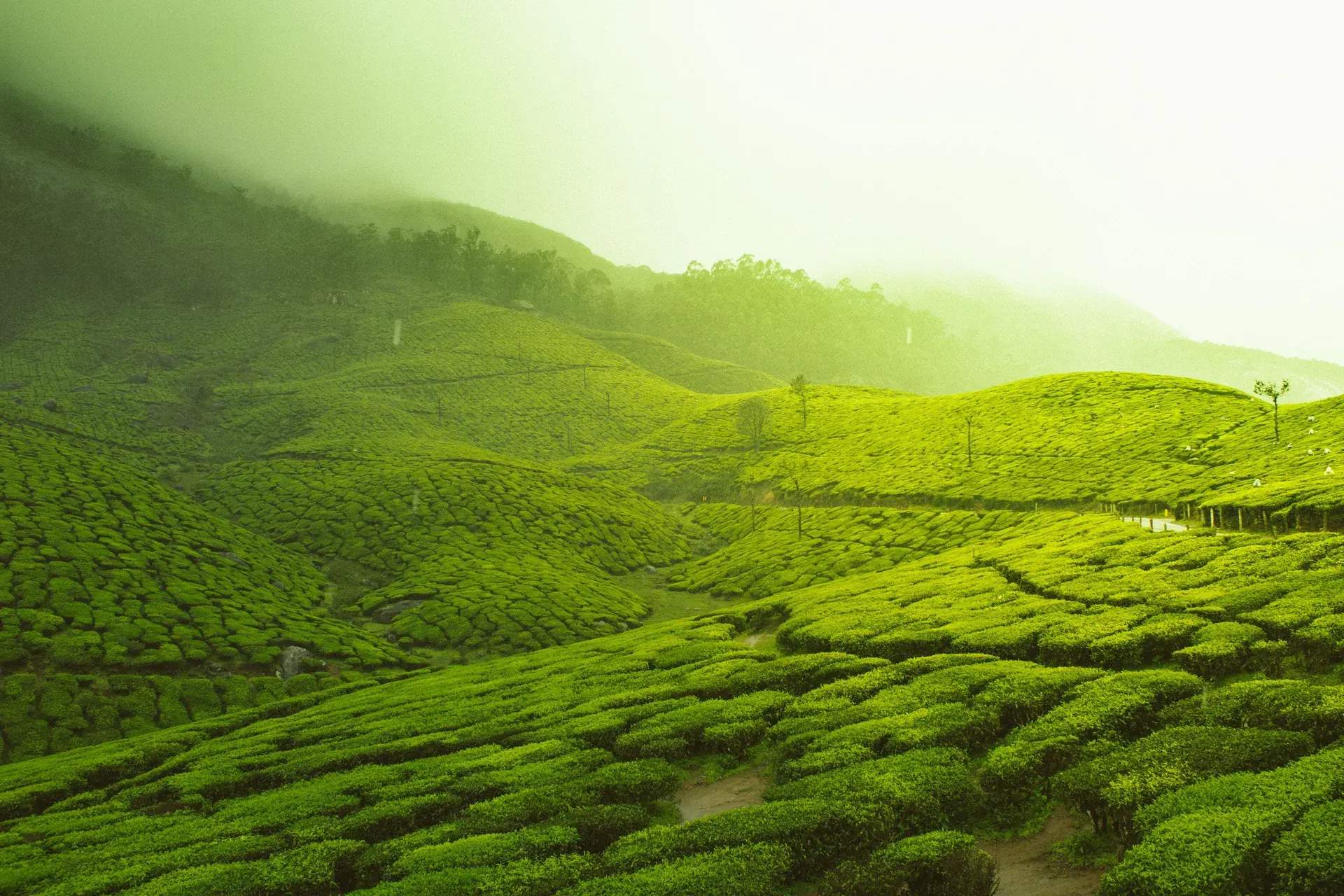
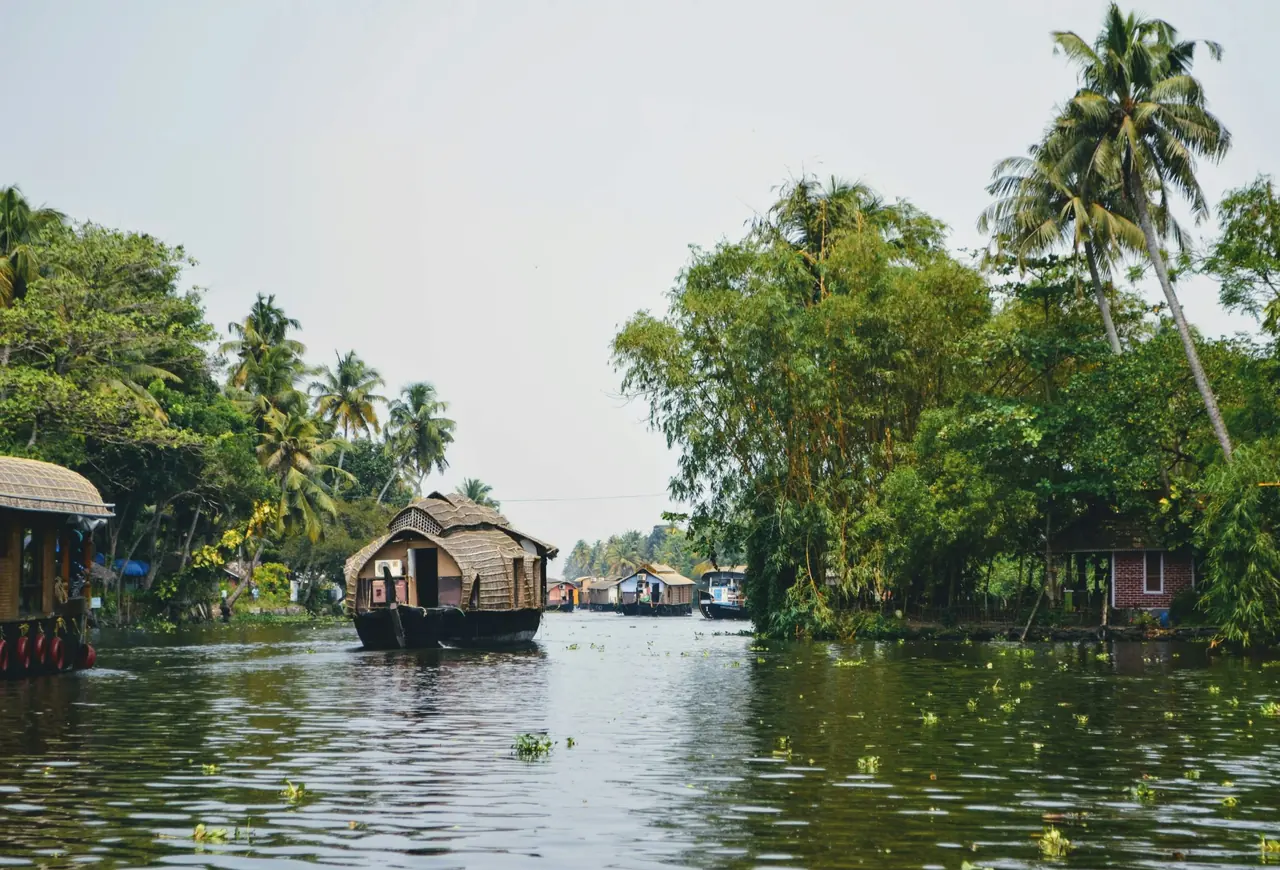
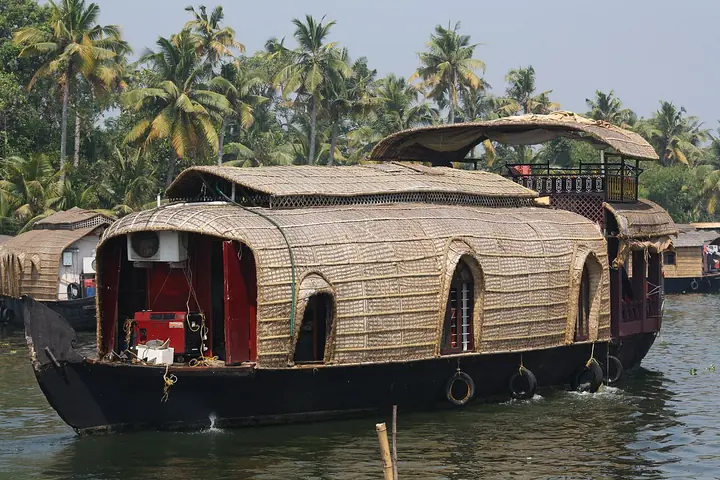
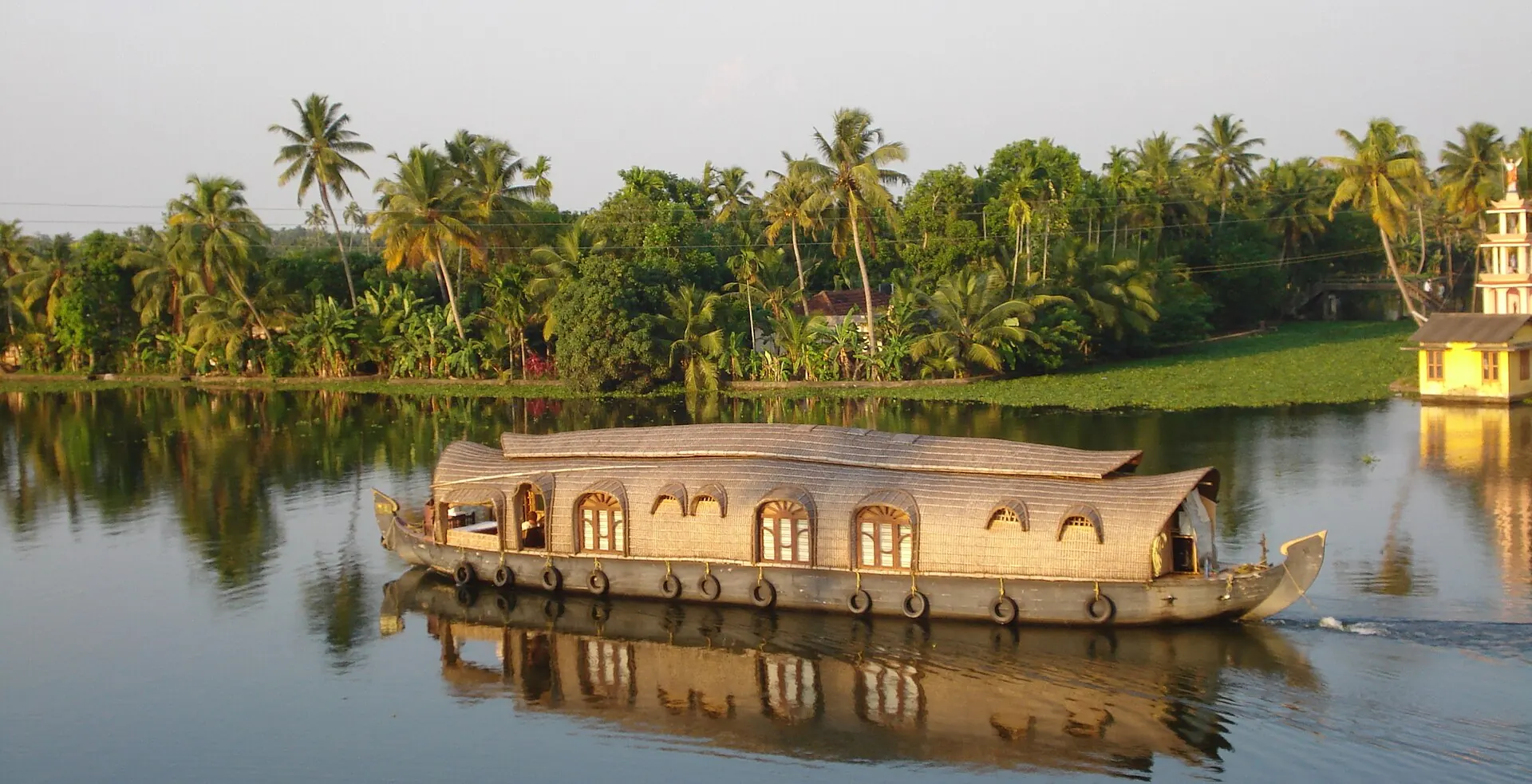
- Kerala: lush hills, full waterfalls and the traditional season for Ayurveda. See Best time to visit Kerala: a season-by-season guide.
- Western Ghats hill stations: Lonavala, Mahabaleshwar and Coorg are green and misty, with waterfalls everywhere.
- Cherrapunji (Sohra) and Meghalaya: among the wettest places on earth, with spectacular waterfalls, though treks get slippery.
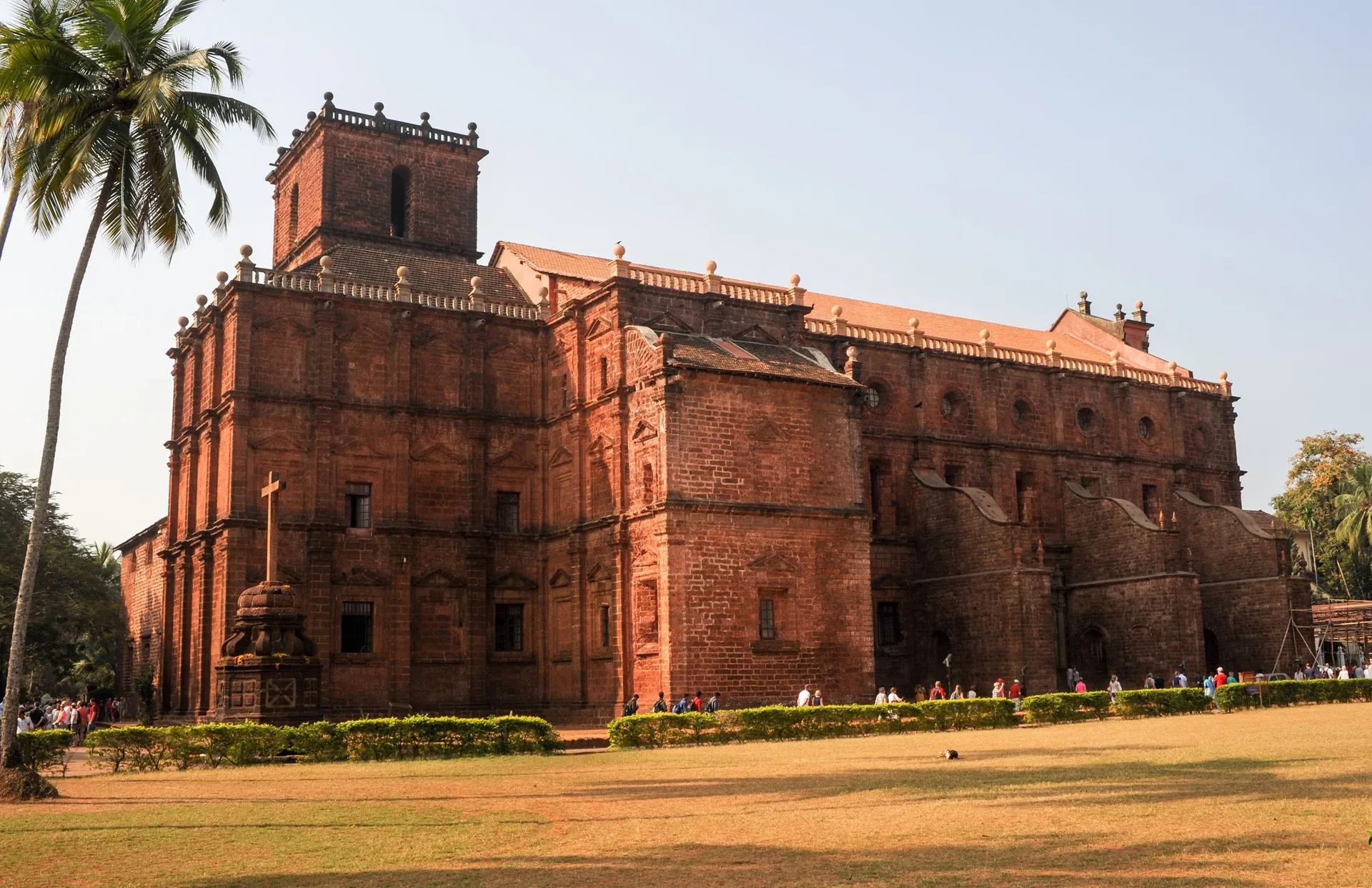
- Goa: quiet, green and inexpensive, for those happy without beach swimming.
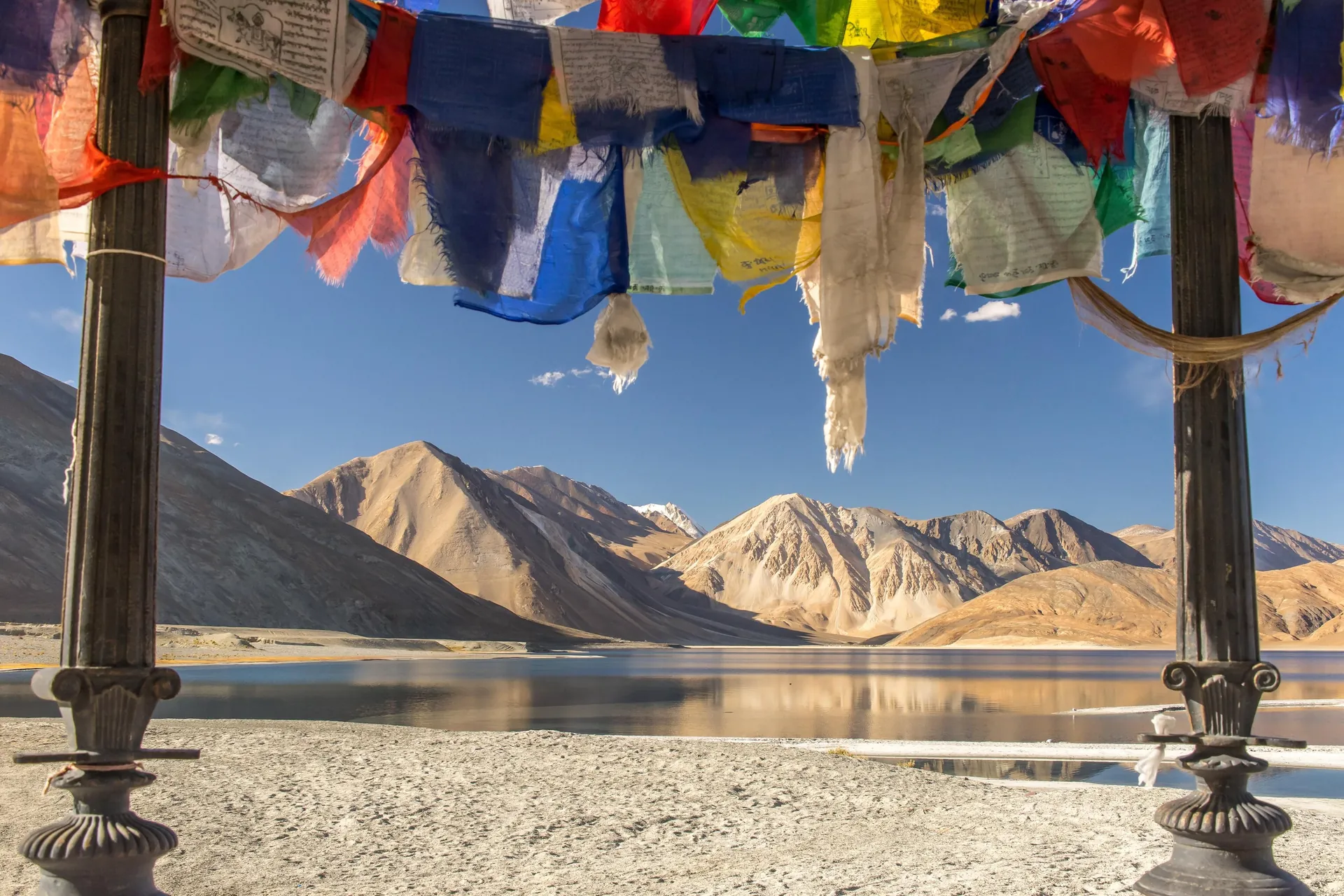
- Ladakh and Spiti: in the rain shadow of the Himalaya, they get little monsoon rain, making summer their main season.
- Udaipur: the lakes fill up and the city looks its best.
Where to be careful
- Himalayan roads in Uttarakhand and Himachal Pradesh are prone to landslides in July and August. Pilgrimages such as the Char Dham can be disrupted.
- National parks: many core zones close, including Kaziranga National Park, Ranthambore, Kanha and Corbett's Dhikala zone.
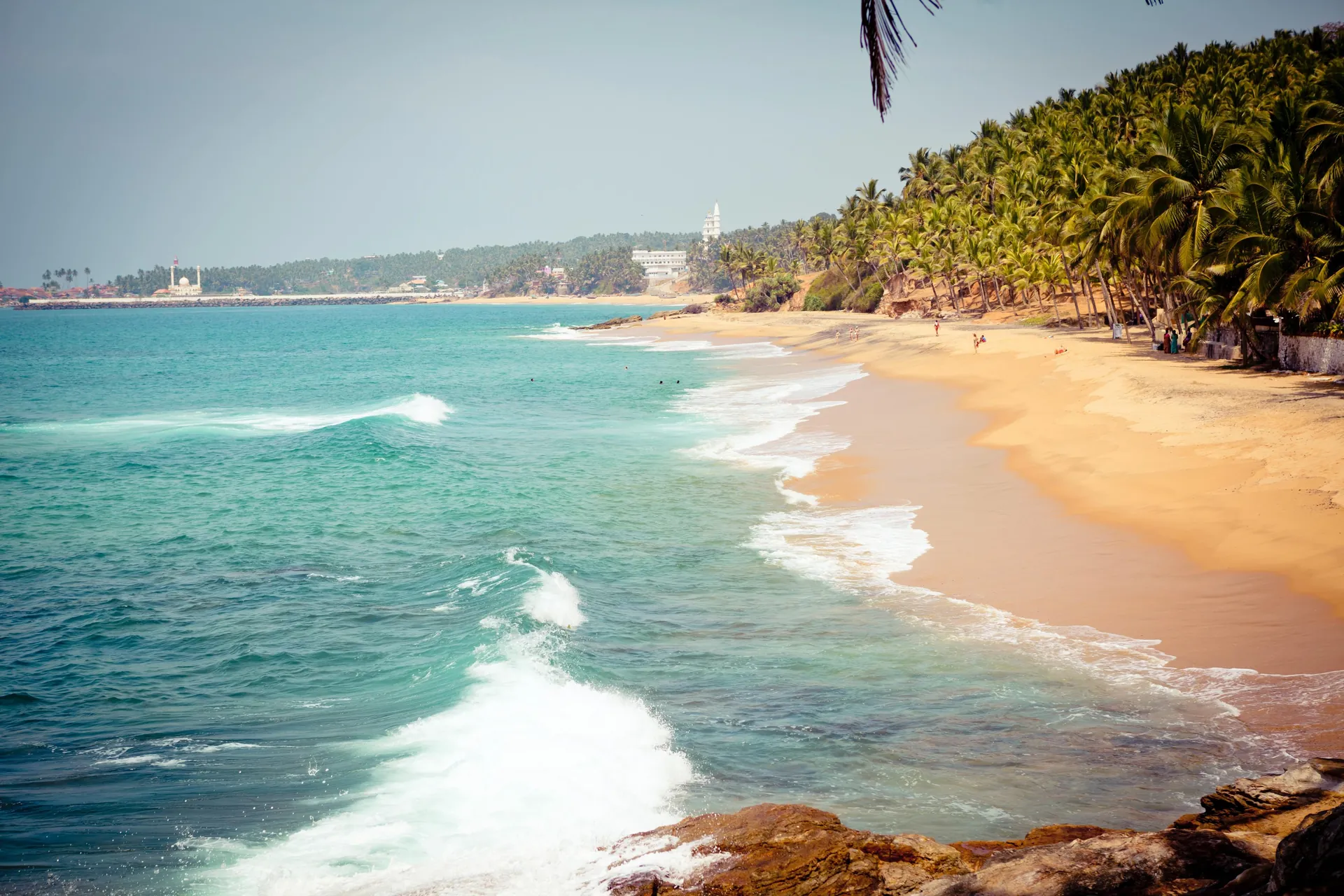
- Beaches: the sea on India's west coast is rough and swimming is often prohibited.
- The Andamans: ferries can be cancelled in rough seas.
Planning tips
- Keep schedules flexible, with buffer days for road closures.
- Follow official weather and road advisories.
- Choose hotels with good indoor spaces.
- Pack light rain gear, quick-dry clothes and waterproof bags for electronics.
- Leeches are common on forest trails; wear leech socks or long socks.
Honeymoon and couple trips
A monsoon trip to Kerala or Coorg can be romantic and good value. See Couples' holidays.
Festivals in the monsoon
Onam in Kerala (August or September), the Nehru Trophy Boat Race in Alleppey (August) and Ganesh Chaturthi in Maharashtra all fall in or near the monsoon.
 When to go
 When to go
 When to go
 When to go