
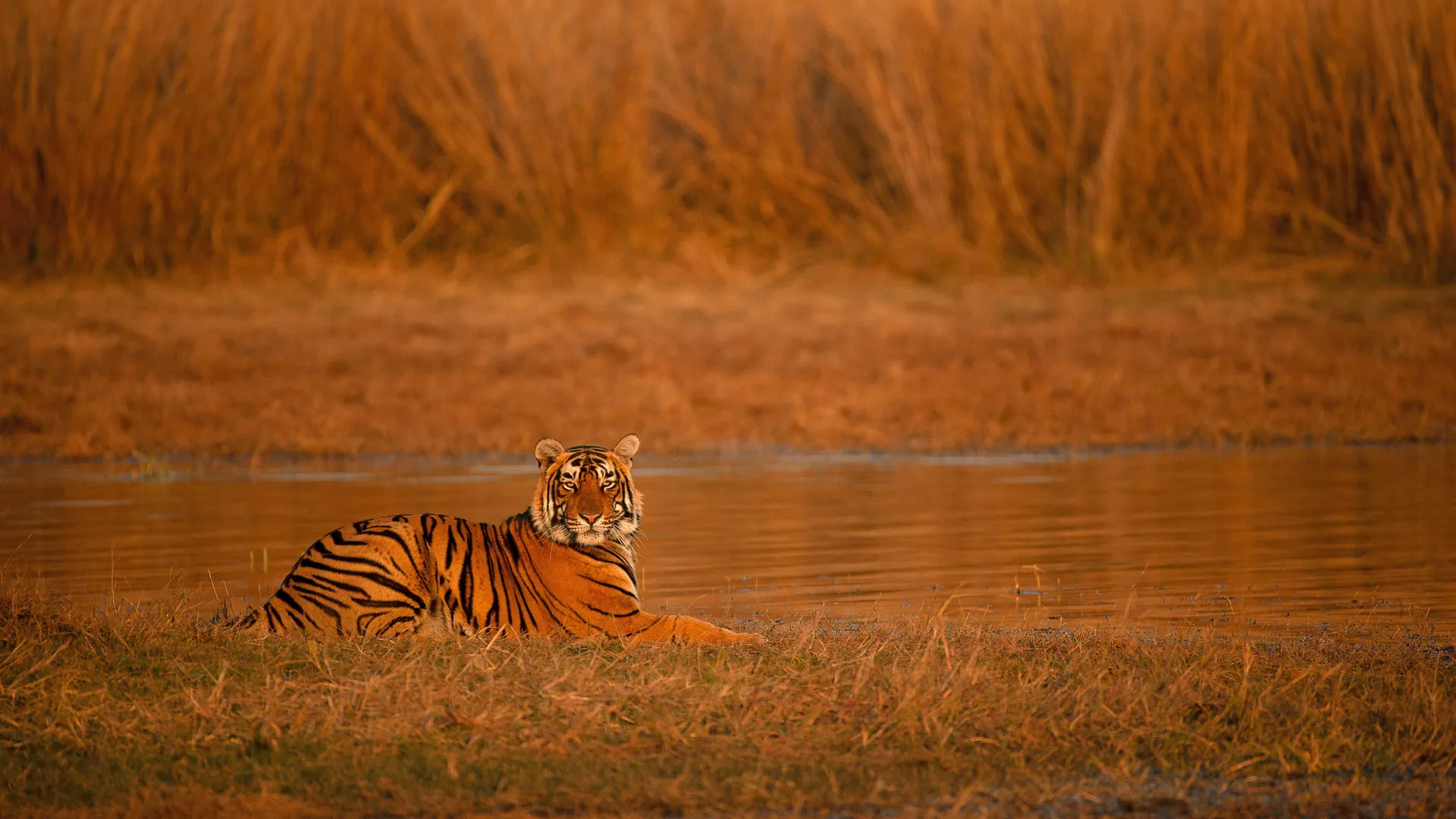
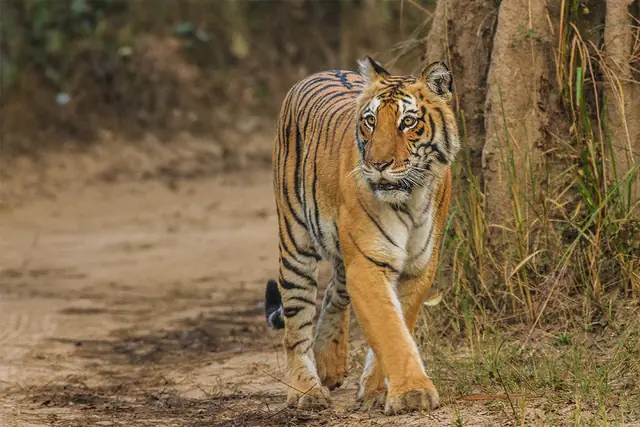
Seeing a tiger in the wild is unforgettable, but never guaranteed. Good planning improves your chances considerably.
Choose the right park
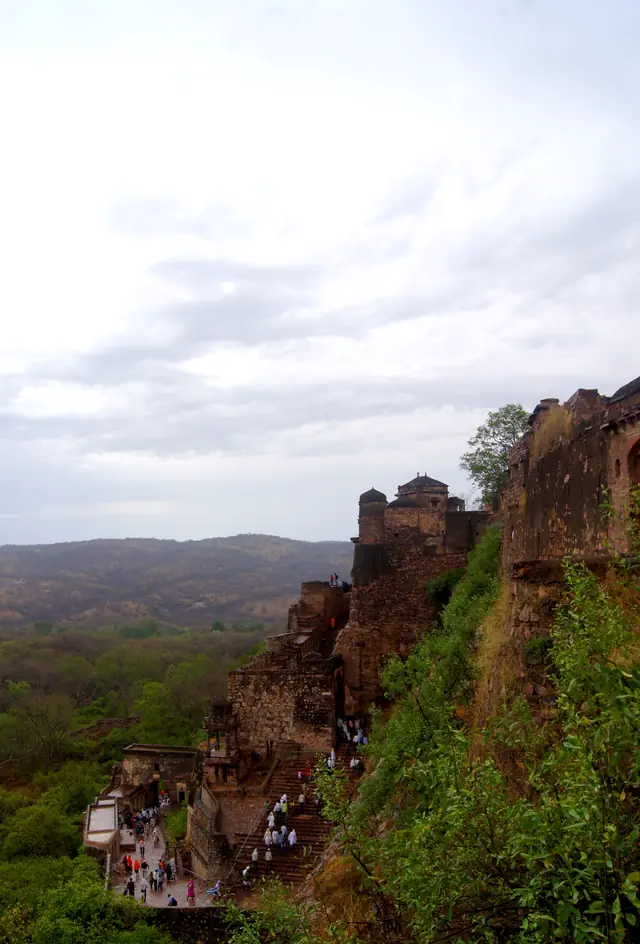
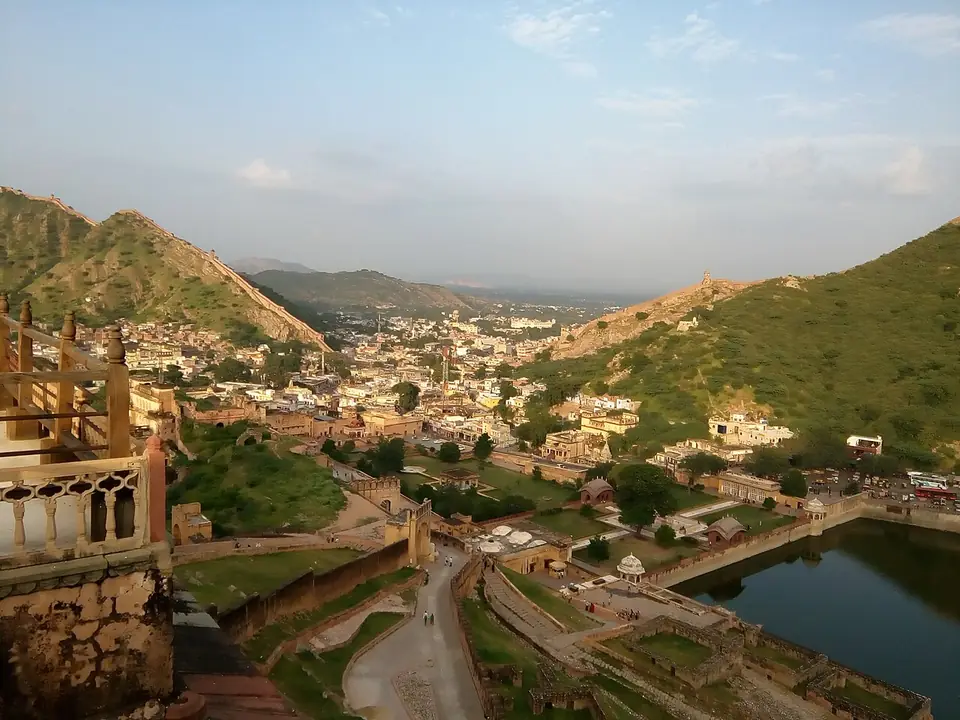
- Ranthambore: dry forest with ruins and lakes, close to Jaipur. Good sightings and easy access.
- Bandhavgarh National Park: one of the highest tiger densities in India.
- Kanha National Park: beautiful meadows and sal forest, also great for barasingha.
- Jim Corbett National Park: India's oldest national park, with varied landscapes and good birding.
Choose the right season
Most parks open their core zones around October and close for the monsoon around the end of June. Sightings tend to improve from March to June, when the forest thins and animals come to water, though it gets hot.
Book early
Safari permits are booked through official forest department portals and popular zones sell out months in advance. Book as soon as your dates are fixed.
How many safaris?
Plan at least three or four safaris over two nights. Each drive is a few hours long, morning and afternoon.
Jeep or canter?
- Jeeps (gypsies) carry a few people and are quieter and more flexible.
- Canters are larger open vehicles, cheaper per seat but noisier.
What to wear and carry
- Neutral colours such as khaki, olive and brown.
- Layers: winter mornings are very cold in open vehicles.
- A hat, sunscreen and a scarf for dust.
- Binoculars and a camera with a zoom lens.
- Water.
Safari etiquette
- Stay seated and quiet.
- Do not ask the driver to go off-track or get closer than allowed.
- No feeding, littering or loud music.
- Follow the naturalist's instructions at all times.
Enjoy the whole forest
Leopards, sloth bears, deer, birds and the forest itself make every safari worthwhile.
See Wildlife safaris for itineraries.
 When to go
 When to go
 When to go
 When to go