

Vietnam stretches more than 1,600 kilometres from north to south, so it has three distinct climate zones. A single "best month" is hard to name, but some periods work well for the whole country.
The north: Hanoi, Ha Long Bay and Sapa
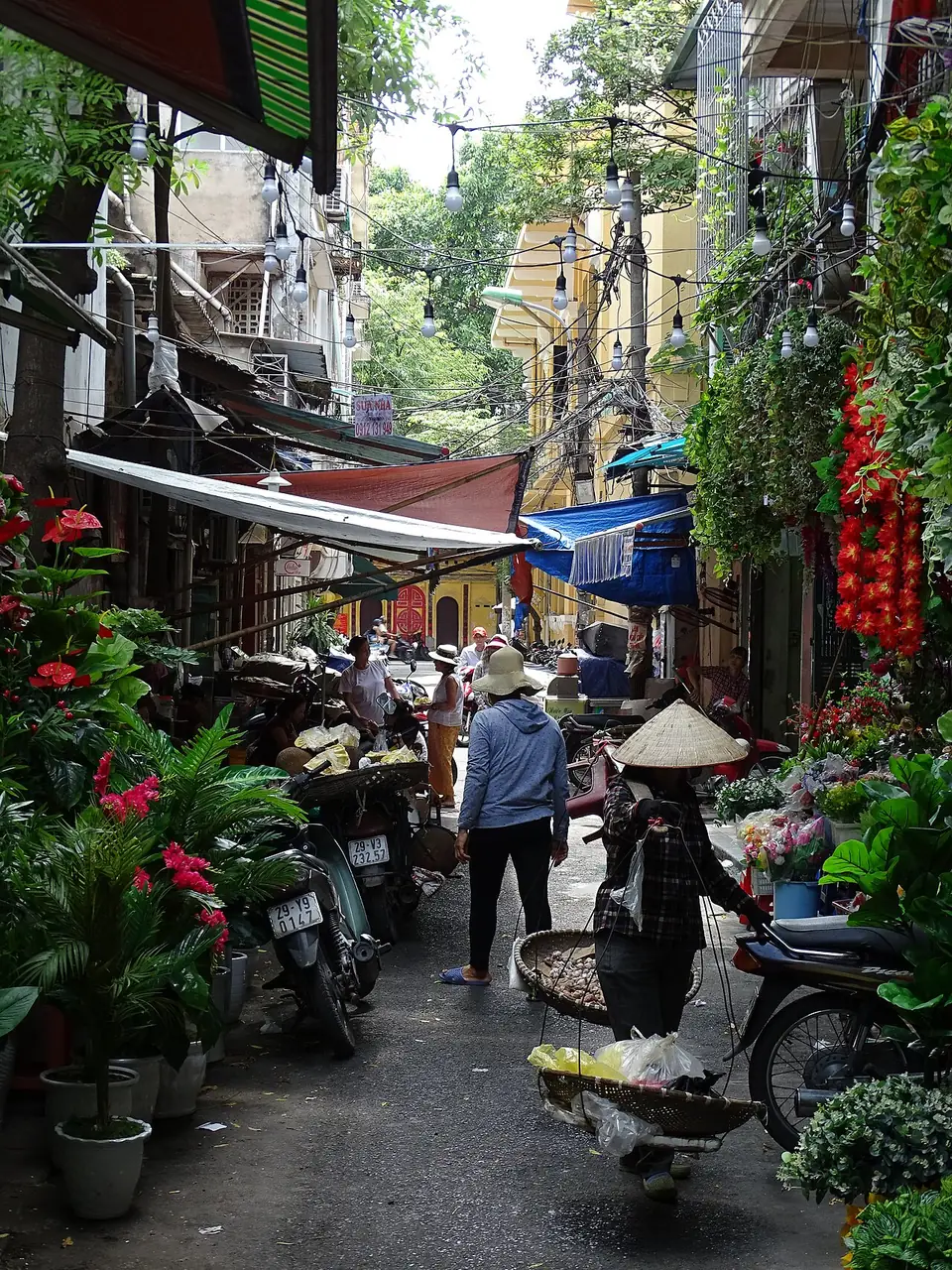
Hanoi has four seasons. Winter (December to February) is cool, sometimes chilly and often misty; summer (May to August) is hot and humid with heavy rain. October to December and March to April are the most comfortable. Ha Long Bay is beautiful year-round, but summer brings storm risk and winter brings mist. In Sapa, the rice terraces turn golden around September.
The centre: Hoi An, Da Nang and Hue
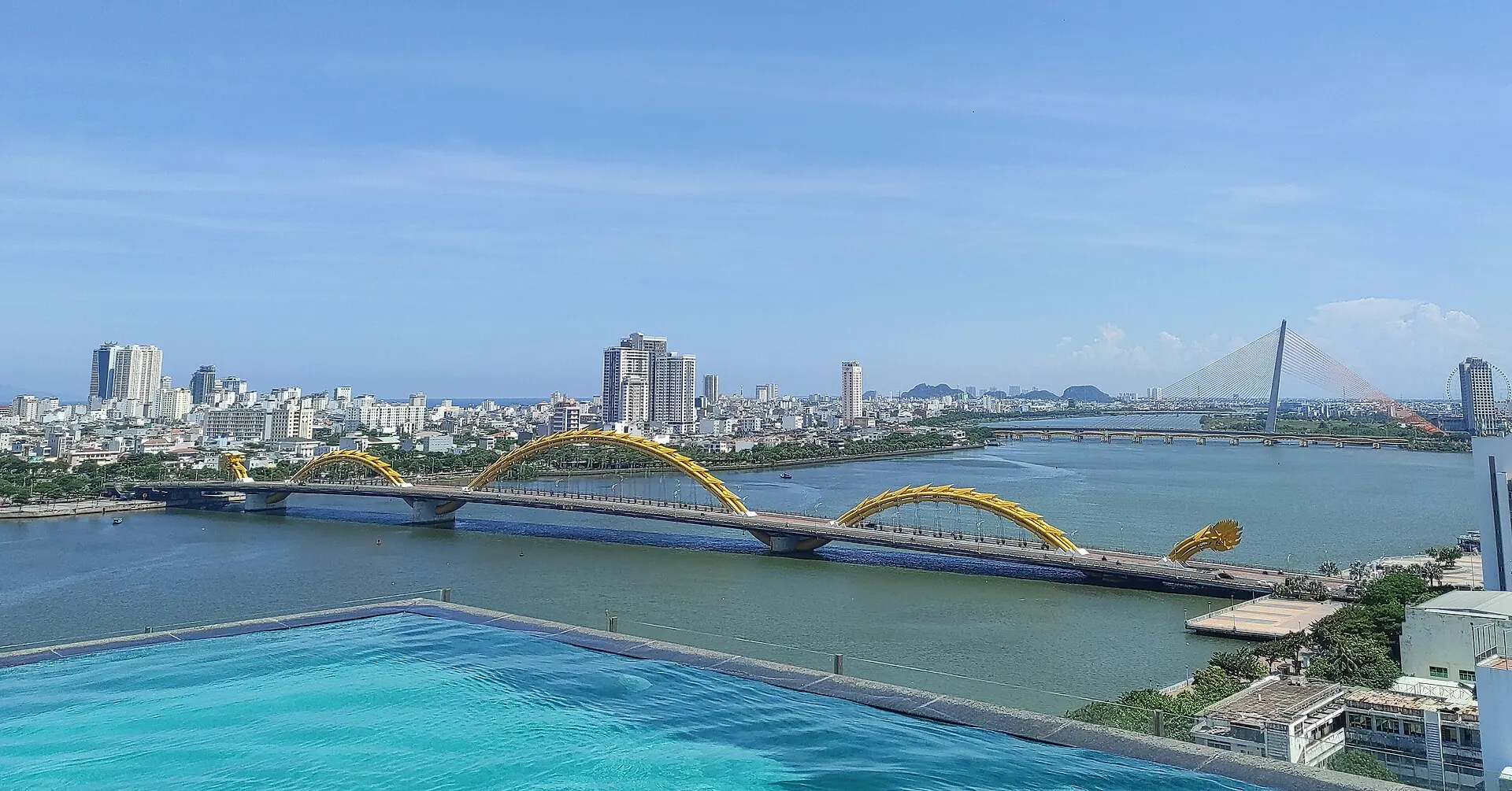
The centre has its own pattern. February to August is generally dry and warm, ideal for Hoi An and the beaches of Da Nang. From about September to December, heavy rain and occasional flooding are common, and typhoons can hit the coast.
The south: Ho Chi Minh City, the Mekong and Phu Quoc
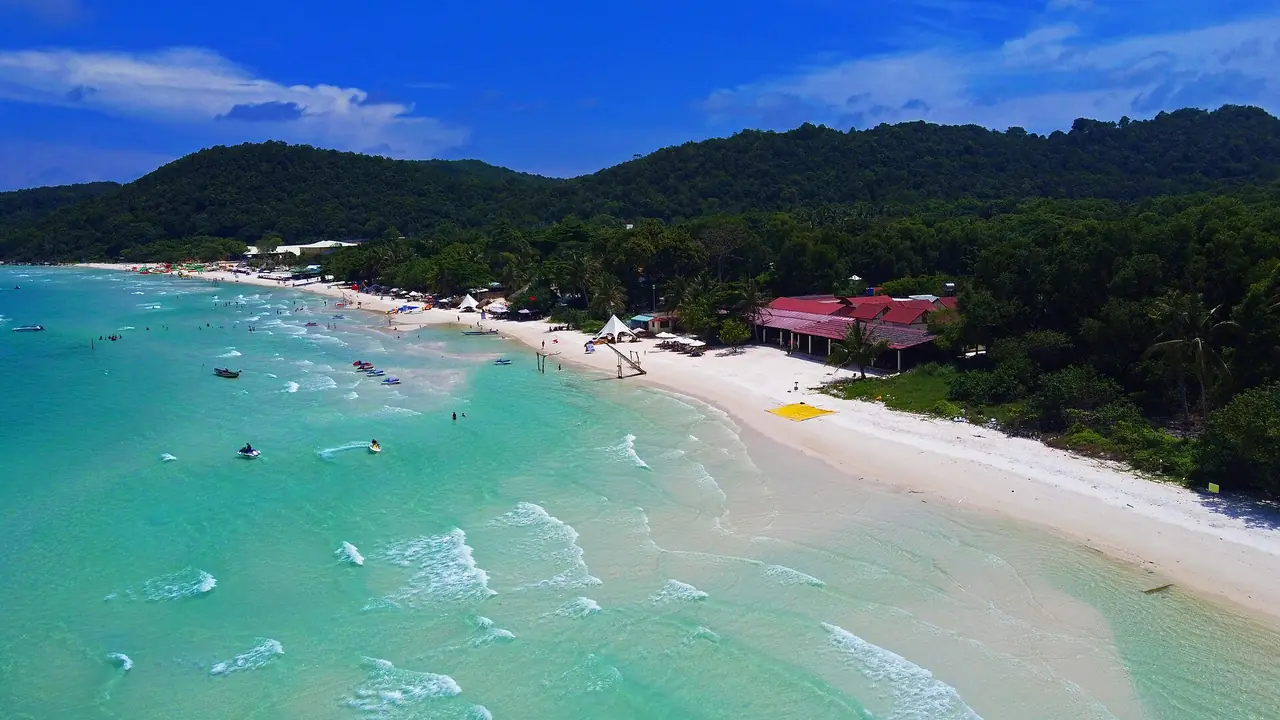
The south is tropical: warm all year, with a dry season from about December to April and a rainy season from May to November, when showers usually arrive in the afternoon. Phu Quoc is best in the dry months.
Best time for a full north-to-south trip
February to April is usually the best compromise: the north is mild, the centre is dry and the south is in its dry season. October and November work for the north and south but can be wet in the centre.
Tet, the Lunar New Year
Tet, in late January or February, is Vietnam's biggest festival. It is a fascinating time, but many businesses close for several days and transport is busy. Plan carefully if your dates overlap.
Quick answer
For a classic Hanoi, Ha Long, Hoi An and Saigon route, aim for February to April. See our Vietnam in 10 days: Hanoi to Saigon guide and Cultural holidays for itineraries.



 When to go
 When to go
 When to go
 When to go