
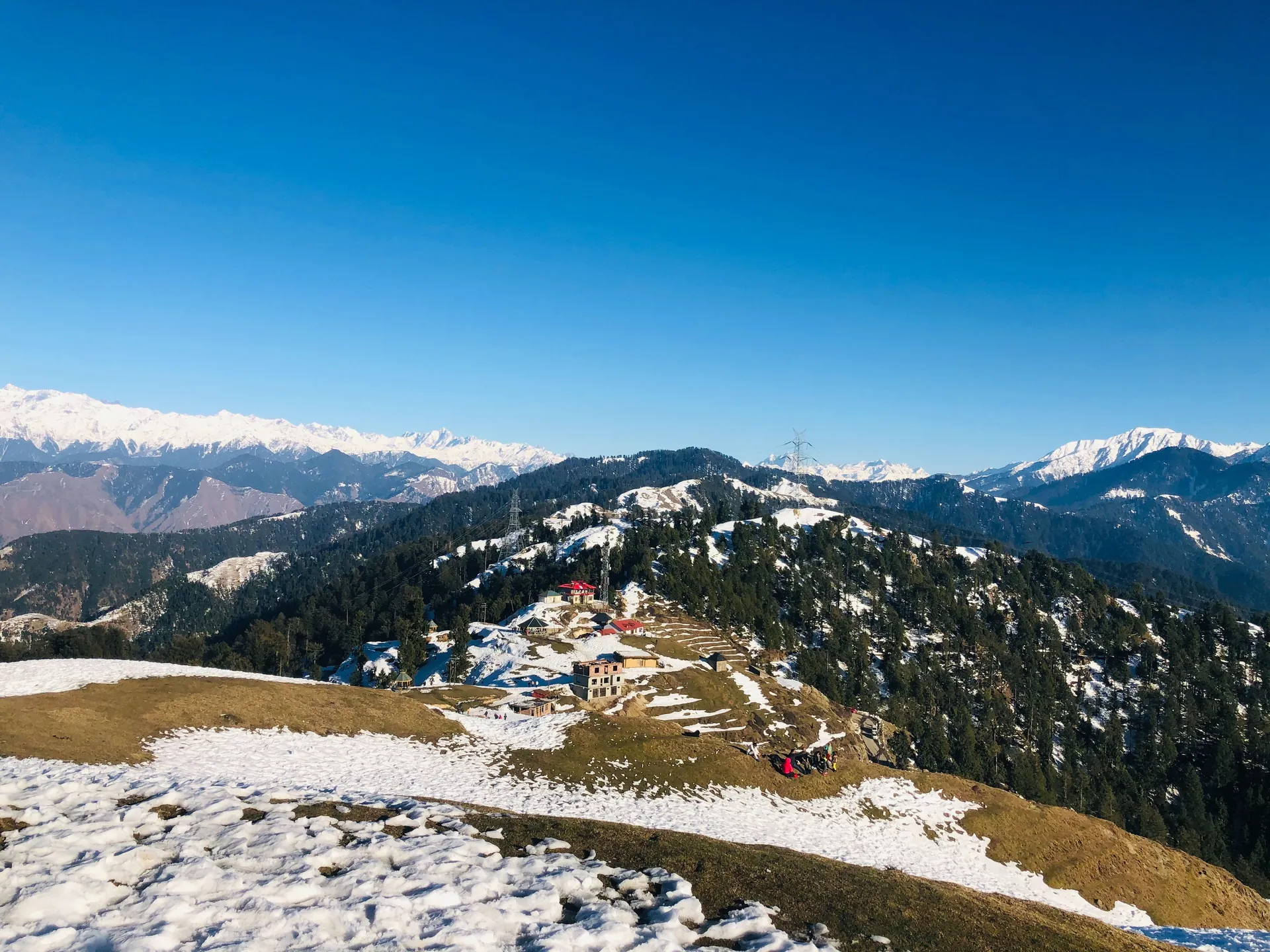
Shimla and Manali are the most popular hill stations in North India, and their seasons are well defined.
March to June: summer
This is peak season for families escaping the heat of the plains. Days are pleasant, apple orchards blossom in spring and adventure activities in Solang Valley are in full swing. May and June are the busiest months, with traffic jams on weekends and high hotel rates. The Atal Tunnel makes it easy to visit Sissu and the Lahaul valley from Manali.
July to September: monsoon
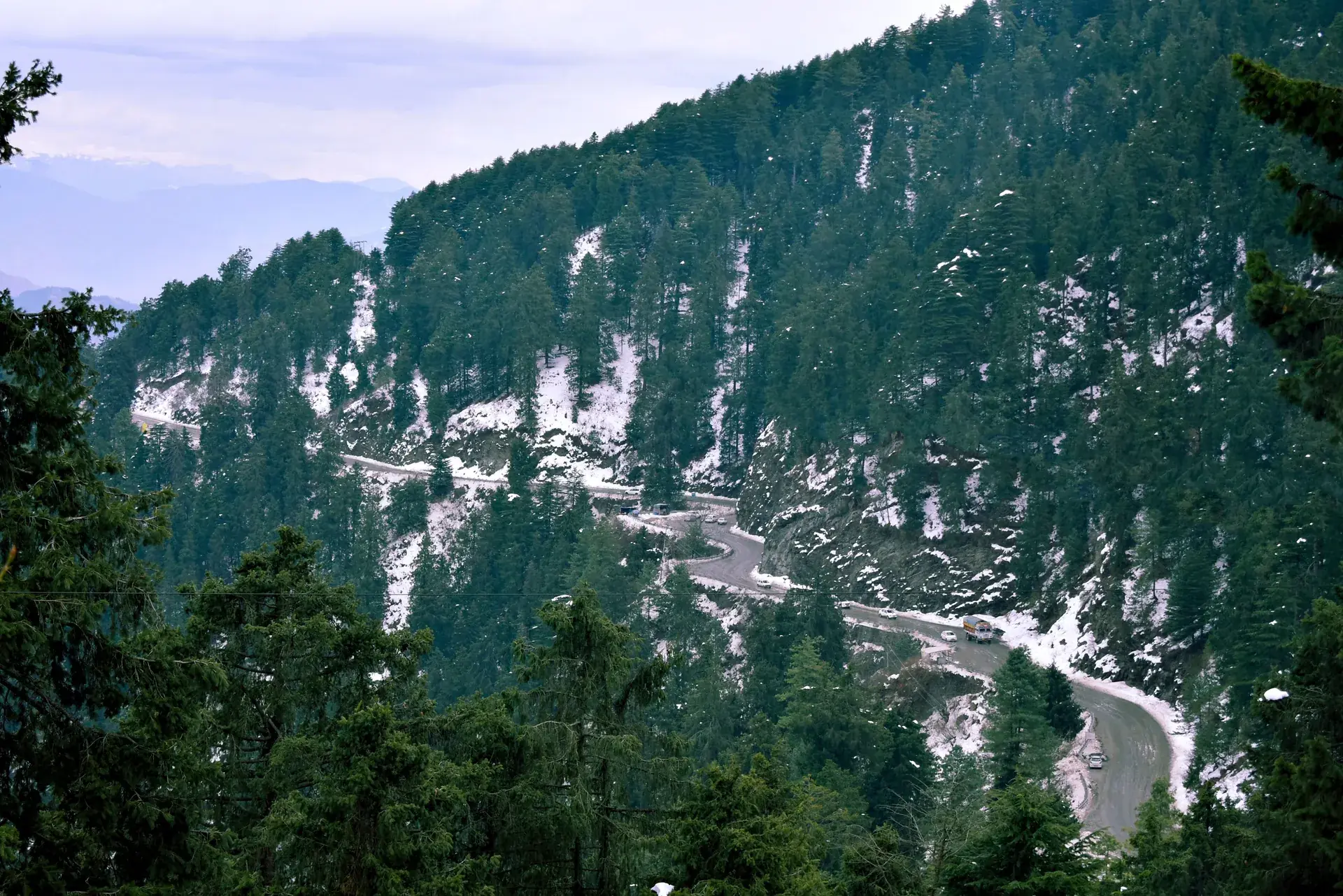
Heavy rain can cause landslides on the roads into Himachal, and views are often hidden by cloud. Rafting usually pauses during the peak monsoon. It is the least reliable time to visit, though hotels are cheaper and the hills are very green.
October to November: autumn
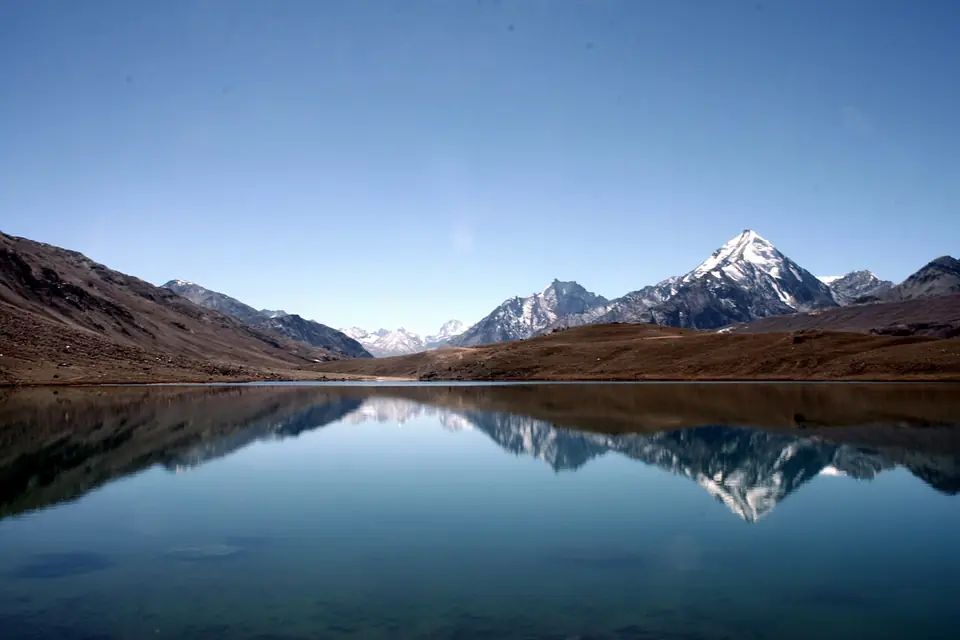
Clear skies, crisp air and fewer crowds make autumn a lovely time to travel. It is the best season for views of the snow peaks and for photography. Nights are cold.
December to February: winter and snow
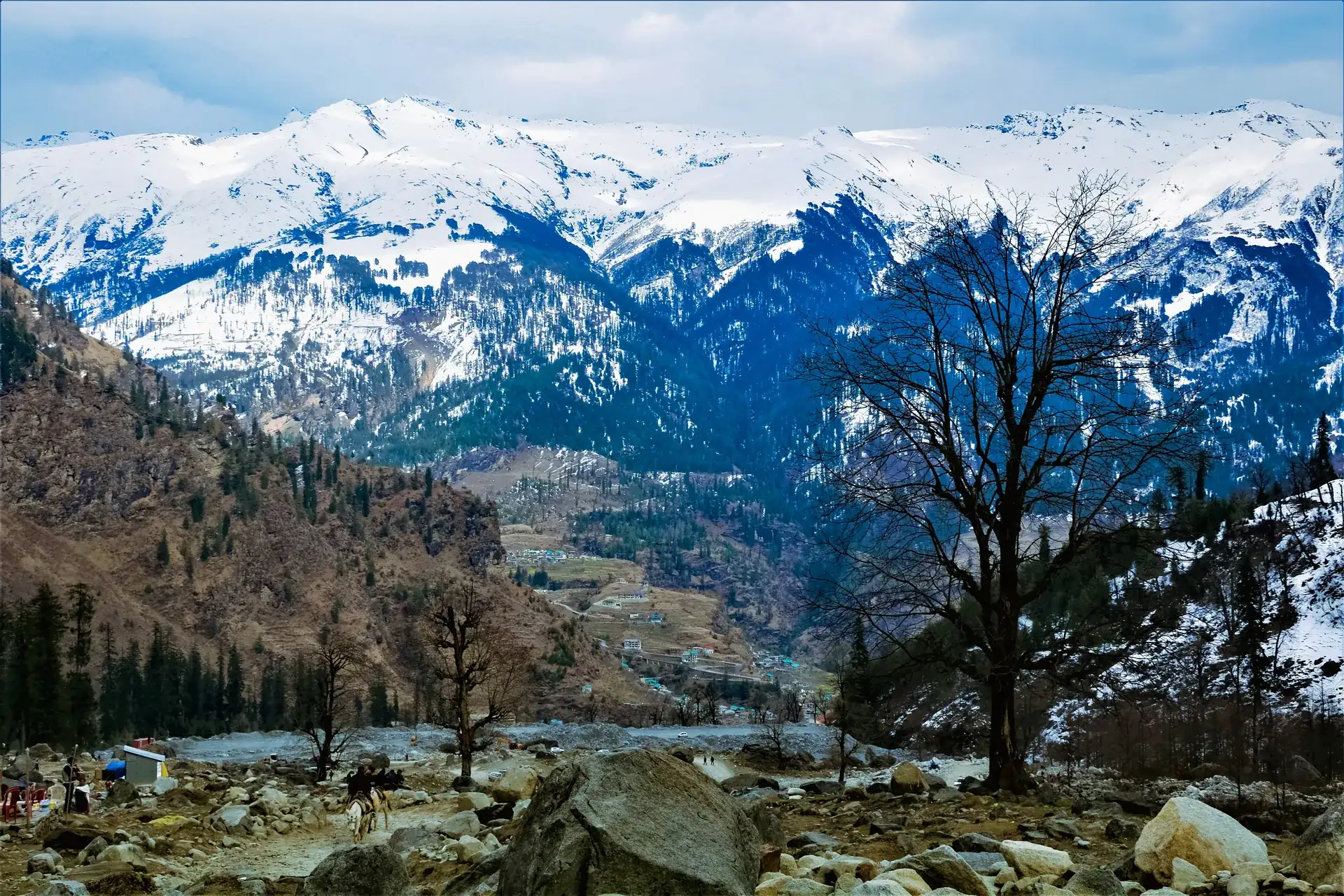
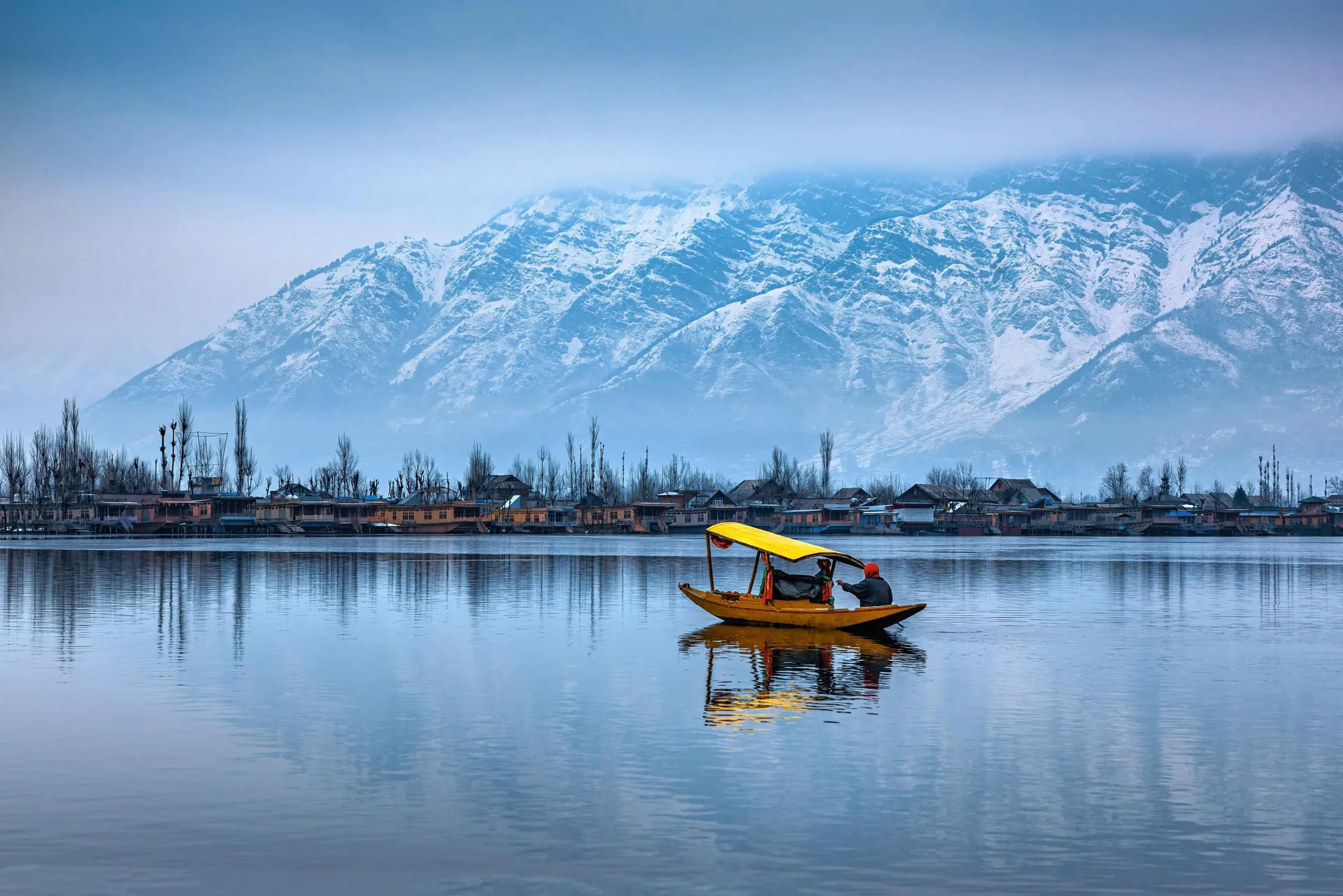
Shimla usually gets snow at some point between late December and February, though not every year is the same. Manali and especially Solang Valley and the area beyond the Atal Tunnel get more reliable snow. Roads can close after heavy snowfall, and the Rohtang Pass is closed in winter. Keep buffer days and stay flexible.
Rohtang permits
The Rohtang Pass requires an online permit, and the number of vehicles allowed each day is capped. It is usually open from about May to November and closed one day a week. If permits are unavailable, Sissu via the Atal Tunnel is an excellent alternative.
Quick answer
- Pleasant weather and sightseeing: March to June, or October.
- Snow: late December to February.
- Avoid if you can: July and August.
See our Hill-station holidays and Honeymoon packages pages for Himachal itineraries.
 When to go
 When to go
 When to go
 When to go