
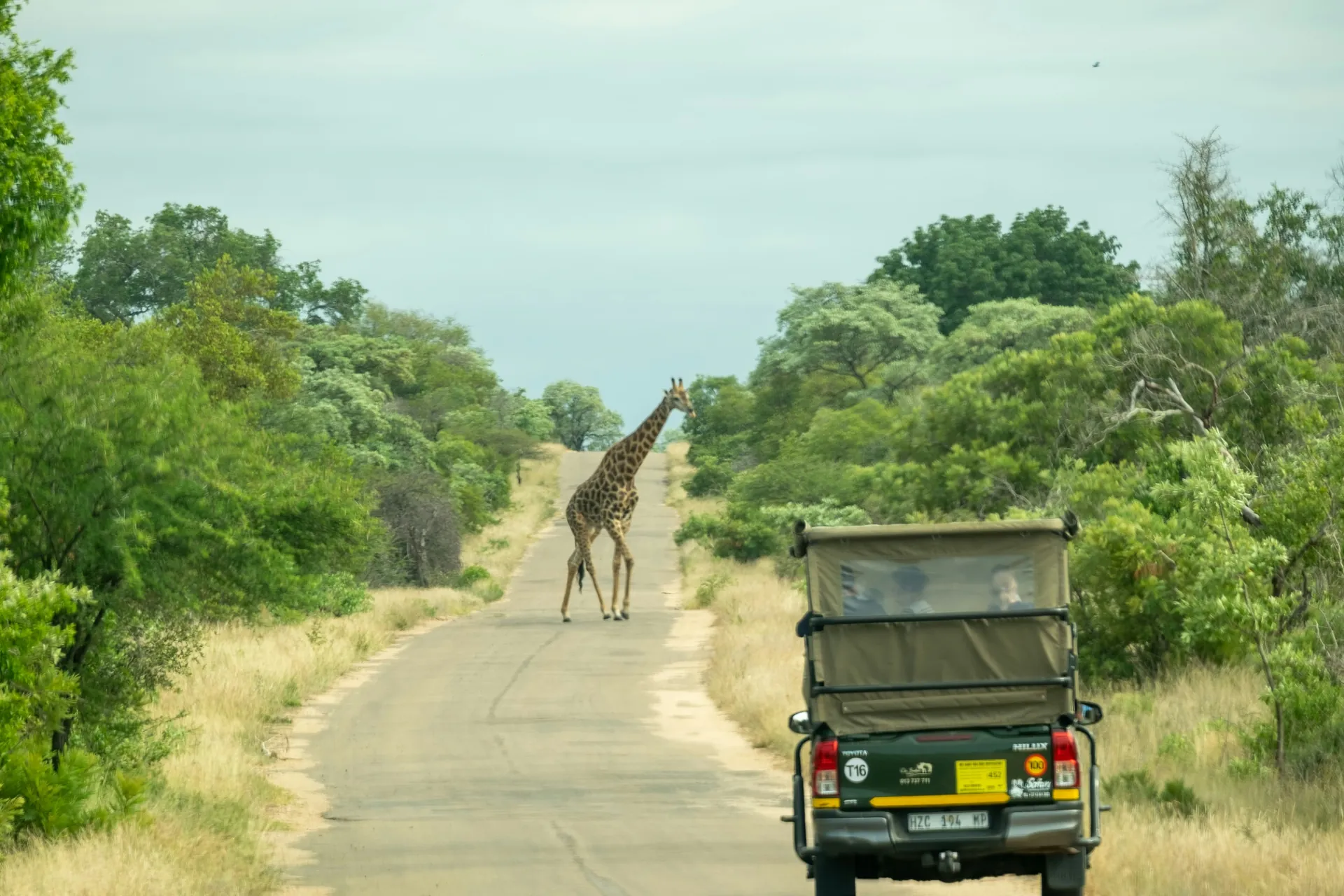
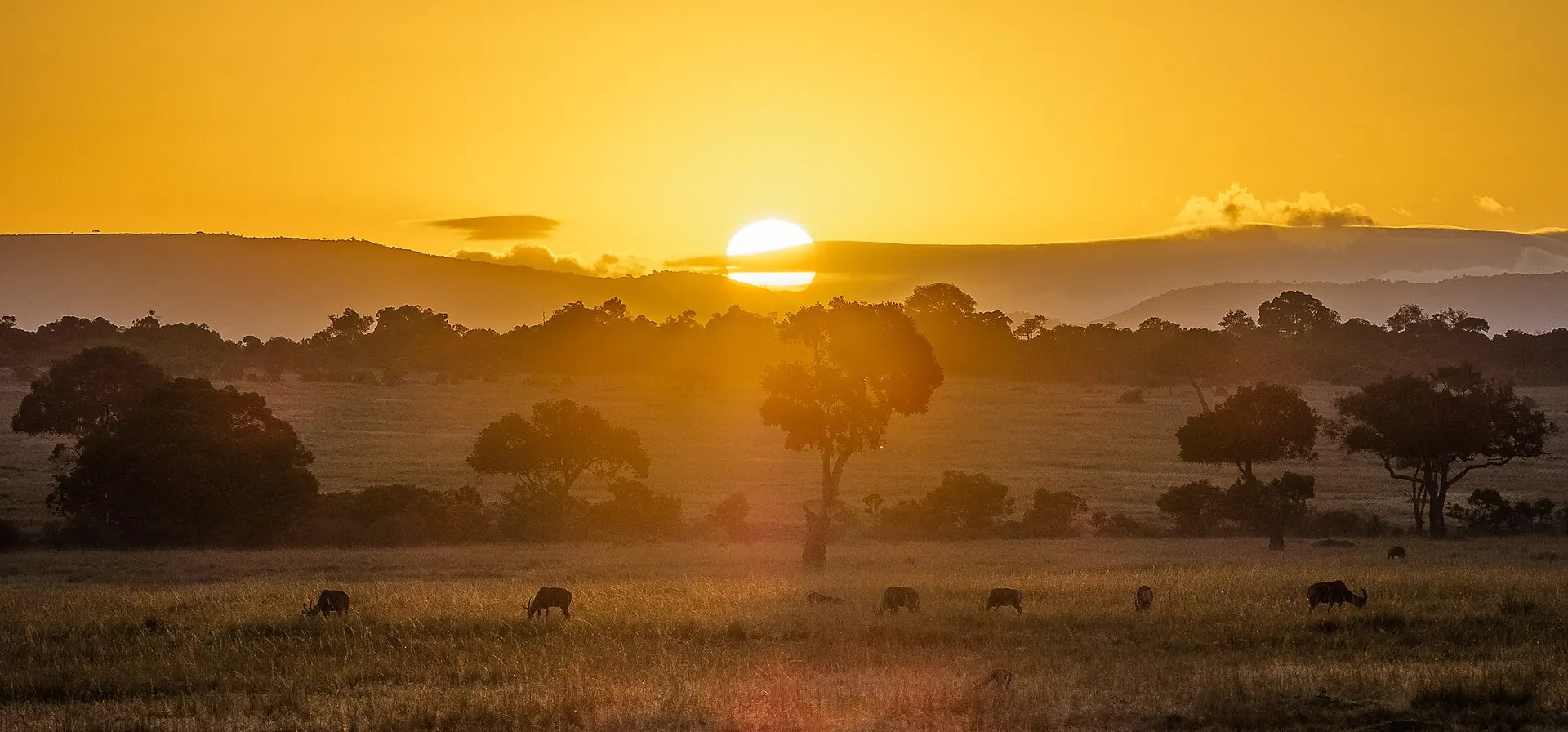
East Africa offers good wildlife viewing most of the year, but the Great Migration moves in a loop between Tanzania's Serengeti and Kenya's Masai Mara, so timing decides where you should go.
The migration month by month (approximate)
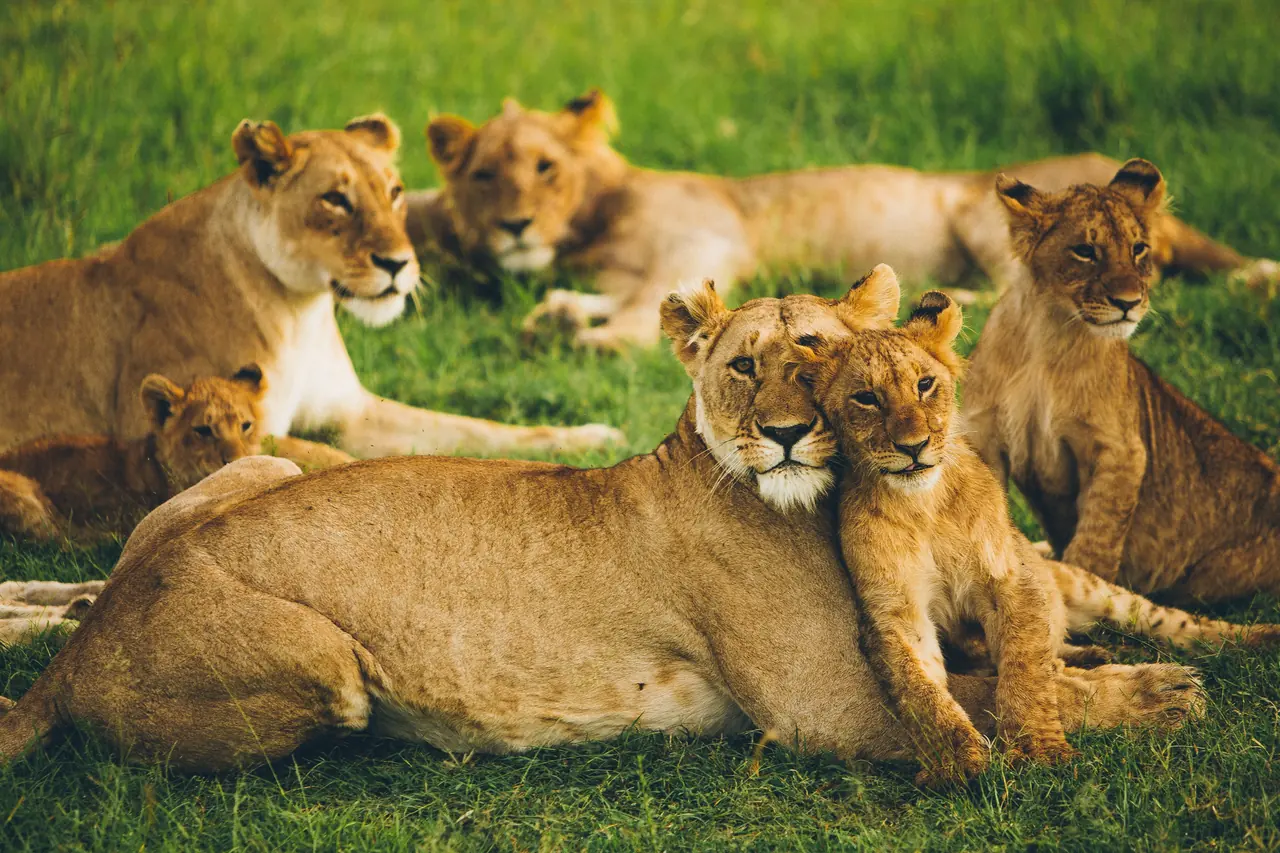
- January to March: the herds are in the southern Serengeti, where calving takes place. Thousands of wildebeest are born, and predators are very active.
- April to May: the long rains. Herds move north and west; some camps close and roads can be muddy.
- June to July: the herds reach the Grumeti river area in the western Serengeti, with crossings possible.
- July to October: the herds are in the northern Serengeti and the Masai Mara, and the dramatic Mara River crossings happen.
- November to December: the short rains begin and the herds head south again.
Nature does not follow a calendar exactly. Rainfall shifts the timing each year, so we choose camps based on recent patterns.
Dry season safaris (June to October)
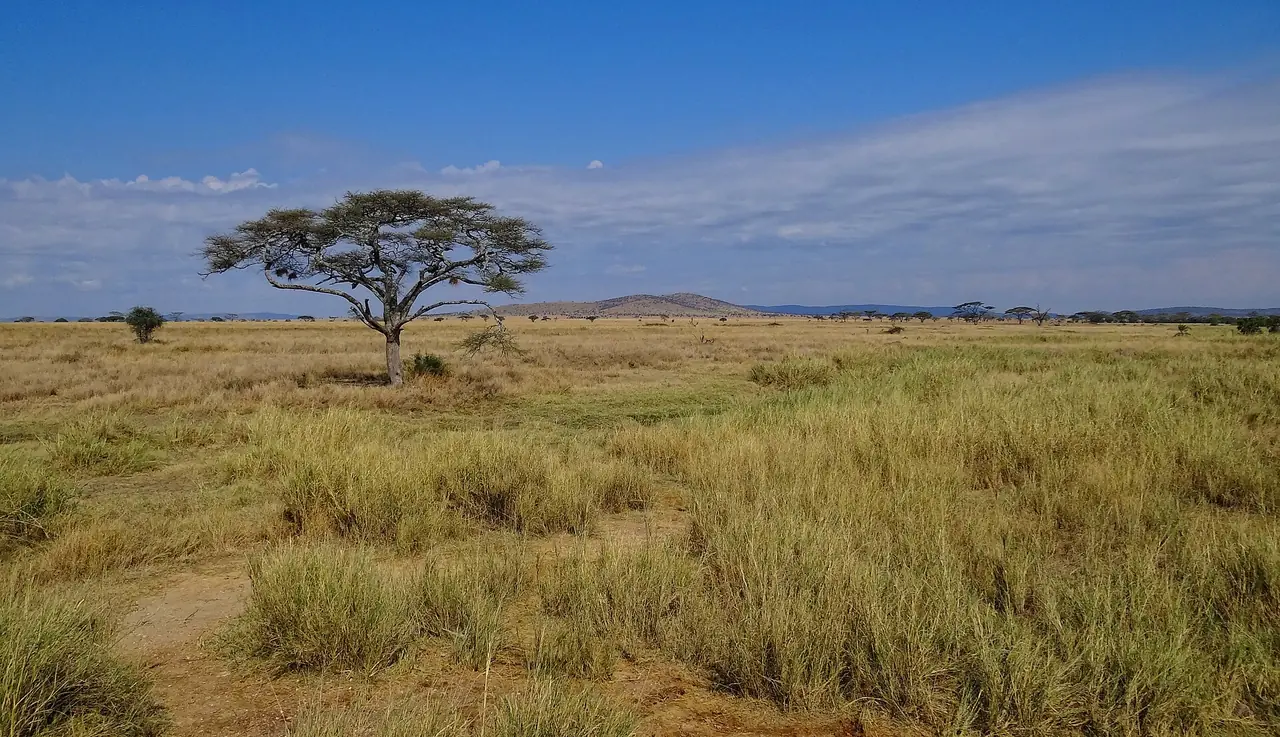
The dry season is the best general safari time. Grass is shorter, animals gather near water and roads are easier. It is also peak season with higher prices.
Green season safaris (November to May)
Landscapes are green, there are newborn animals and fewer vehicles, and prices are lower. Some lodges close in April and May during the long rains.
Other parks
- Ngorongoro Crater Crater has resident wildlife and is good year-round.
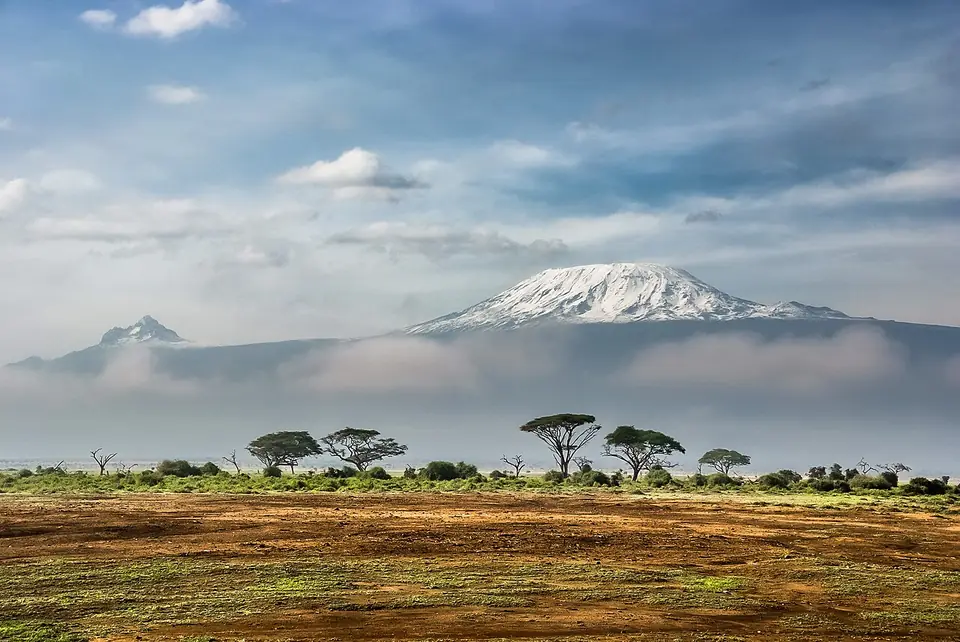
- Amboseli is best in the dry seasons for clear views of Kilimanjaro behind its elephants.
Kenya or Tanzania?
For the river crossings in August and September, the Masai Mara is compact and easy to reach. For the calving season, go to the southern Serengeti. Many travellers combine both countries.
Quick answer
July to October for river crossings; January to March for calving; June to October for the most comfortable all-round safari. See our Wildlife safaris page.
 When to go
 When to go
 When to go
 When to go