
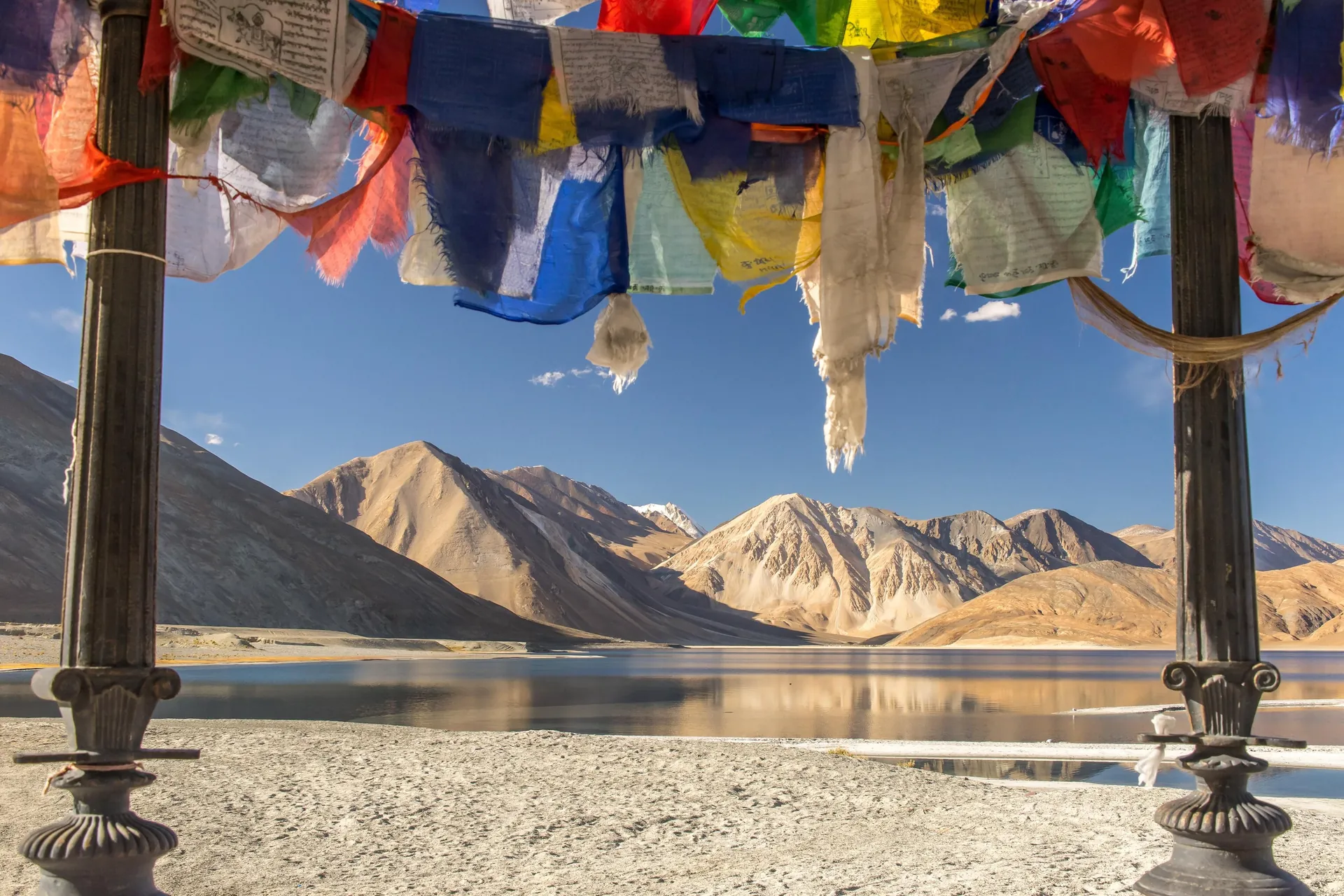
Many of India's most spectacular destinations are at high altitude: Leh and Ladakh, Spiti Valley, Tawang, North Sikkim and the Char Dham shrines such as Kedarnath. At these heights there is less oxygen, and the body needs time to adjust.
This is general information. Speak to your doctor before travelling to high altitude, especially if you have heart, lung or blood-pressure conditions, are pregnant or are travelling with young children or elderly relatives.
What altitude sickness is
Acute mountain sickness (AMS) usually begins above about 2,500 metres. It can affect anyone, regardless of age or fitness.
Common symptoms include:
- headache
- nausea or loss of appetite
- tiredness and weakness
- dizziness
- difficulty sleeping
Rarely, it develops into serious conditions affecting the lungs or brain. Warning signs include breathlessness at rest, a persistent cough, confusion, loss of coordination or extreme drowsiness. These need urgent descent and medical help.
How itineraries reduce the risk
- Gradual ascent: arriving by road over a few days, such as via Kinnaur into Spiti, lets the body adjust.
- Rest on arrival: if you fly into Leh, rest completely for the first 24 hours and take it easy for the next day or two.
- Climb high, sleep low: day trips to higher points with nights at lower altitude.
- Avoid skipping steps: do not go from Leh to Pangong on the day you land.
What you can do
- Drink plenty of water.
- Avoid alcohol and smoking in the first days.
- Eat light meals.
- Do not overexert yourself.
- Tell your guide or driver immediately if you feel unwell.
- Ask your doctor whether preventive medication is suitable for you.
The golden rule
If symptoms get worse, do not go higher. Descend, even a few hundred metres, and seek medical help.
See Ladakh in 7 days: a safe, acclimatised itinerary for an acclimatised route.
 When to go
 When to go
 When to go
 When to go