
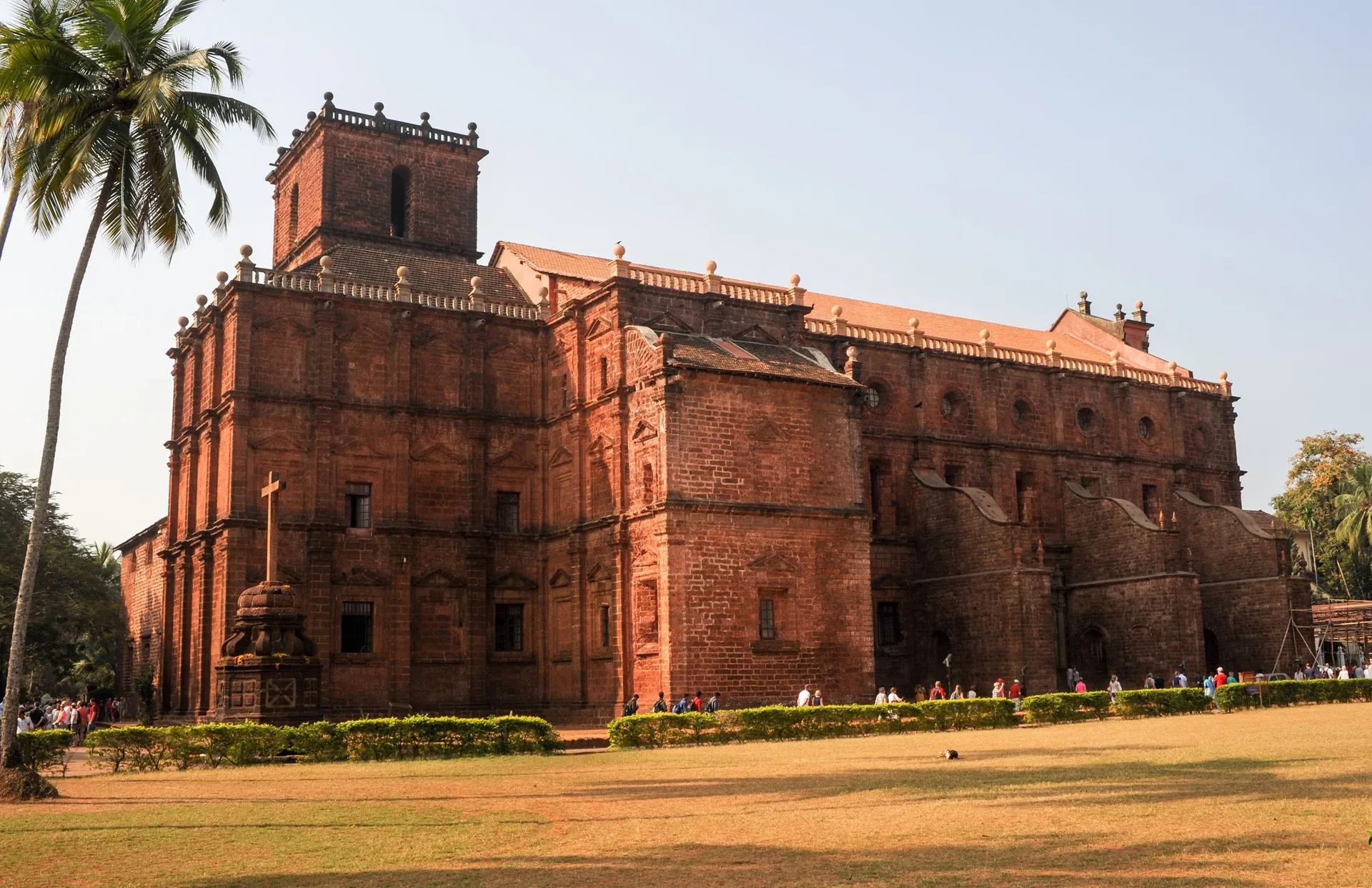
The "shoulder season" is the period between a destination's peak season and its low season. It often combines decent weather with lower prices and fewer crowds.
Why travel in shoulder season?
- Hotels and flights are often cheaper.
- Attractions are less crowded.
- Locals are less busy and more relaxed.
- You still get reasonable weather, with some risk.
Shoulder seasons for popular destinations
- Goa: October and March, either side of the November to February peak.
- Thailand: late October, and March to April before the rains.
- Bali (South Coast): April to June and September, outside July and August.
- Europe: May, early June and September to early October.
- Switzerland: June and September.
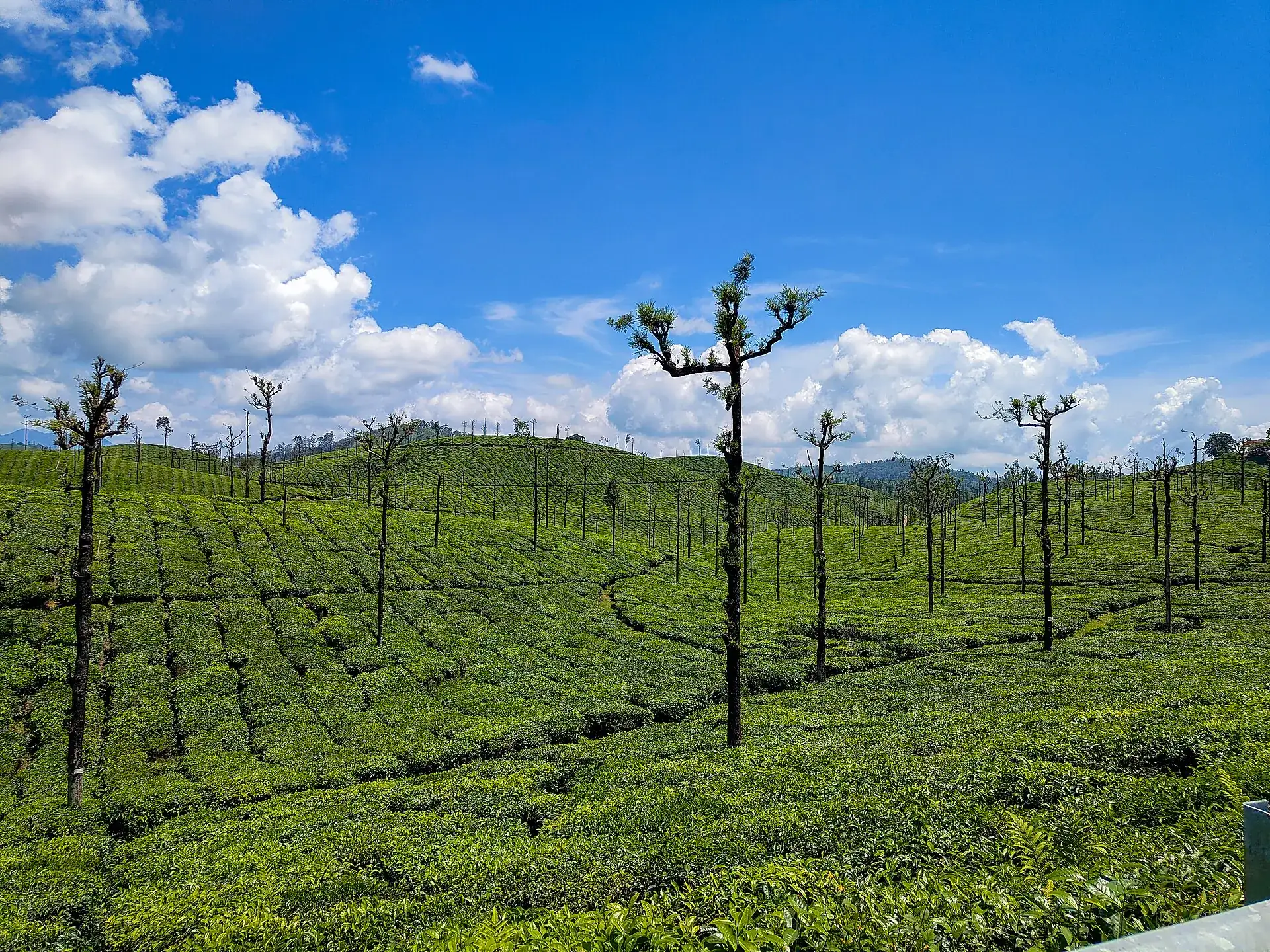
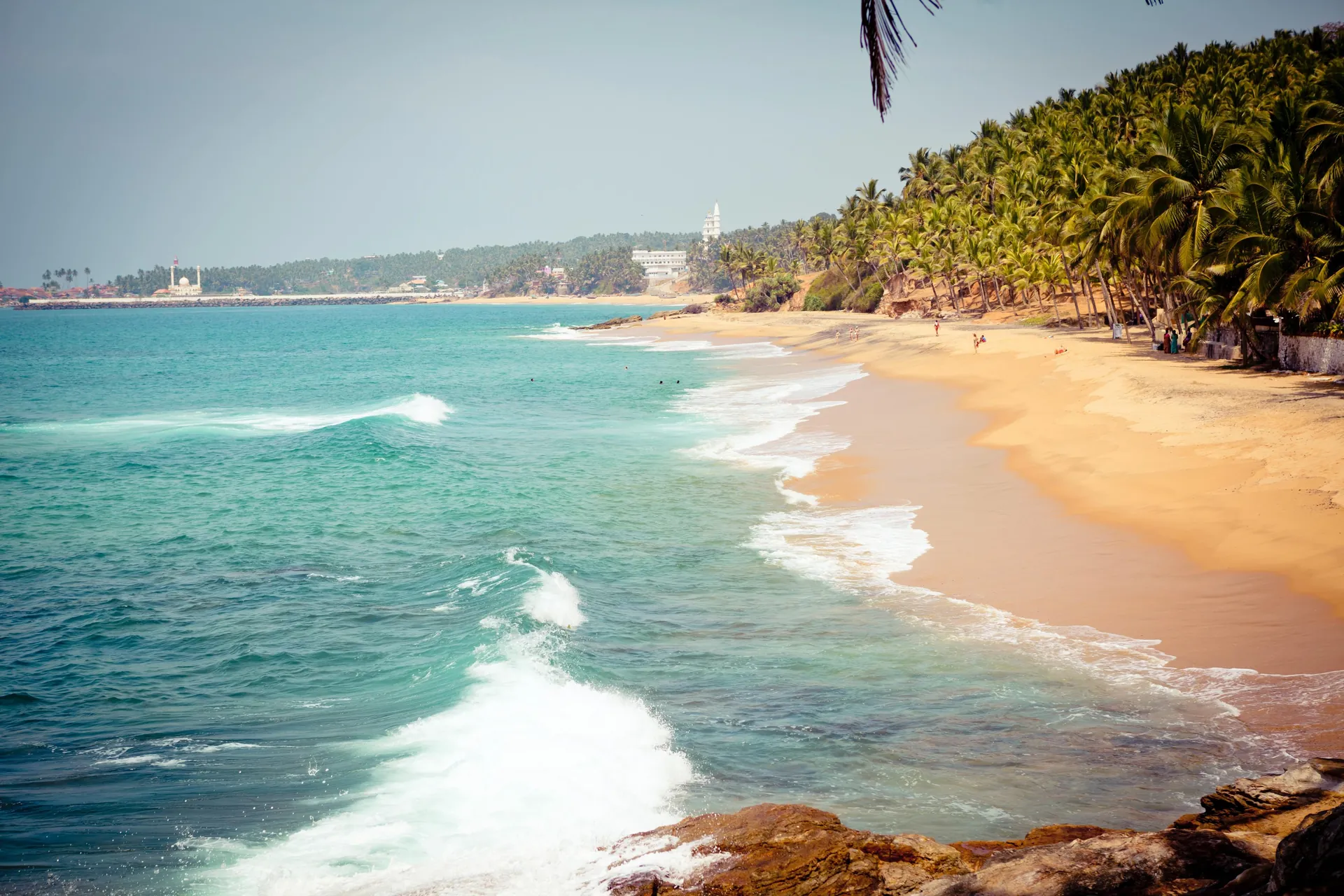
- Kerala: March to May for the hills, September for the coast.
- Rajasthan: late September to mid-October, and March.
- Japan: early June and early September, avoiding blossom and autumn peaks (but with some rain or heat).
- Maldives: around April and November, between seasons.
Things to check
- Some attractions or ferries run reduced schedules.
- Weather can be less predictable; keep a flexible day.
- Some seasonal businesses may be closed.
Who it suits
Couples, retirees and anyone without school holiday constraints. Families can sometimes take advantage at the start or end of holidays.
See How to budget a holiday: the costs people forget and our Budget holidays page.
How to find shoulder season for any destination
Look at when prices drop on hotel booking sites, check average rainfall and temperature by month, and check school holiday calendars in the countries that send the most visitors. Tell us your dates and we will suggest the best-value options.



 India travel planning
 India travel planning
 India travel planning
 India travel planning