
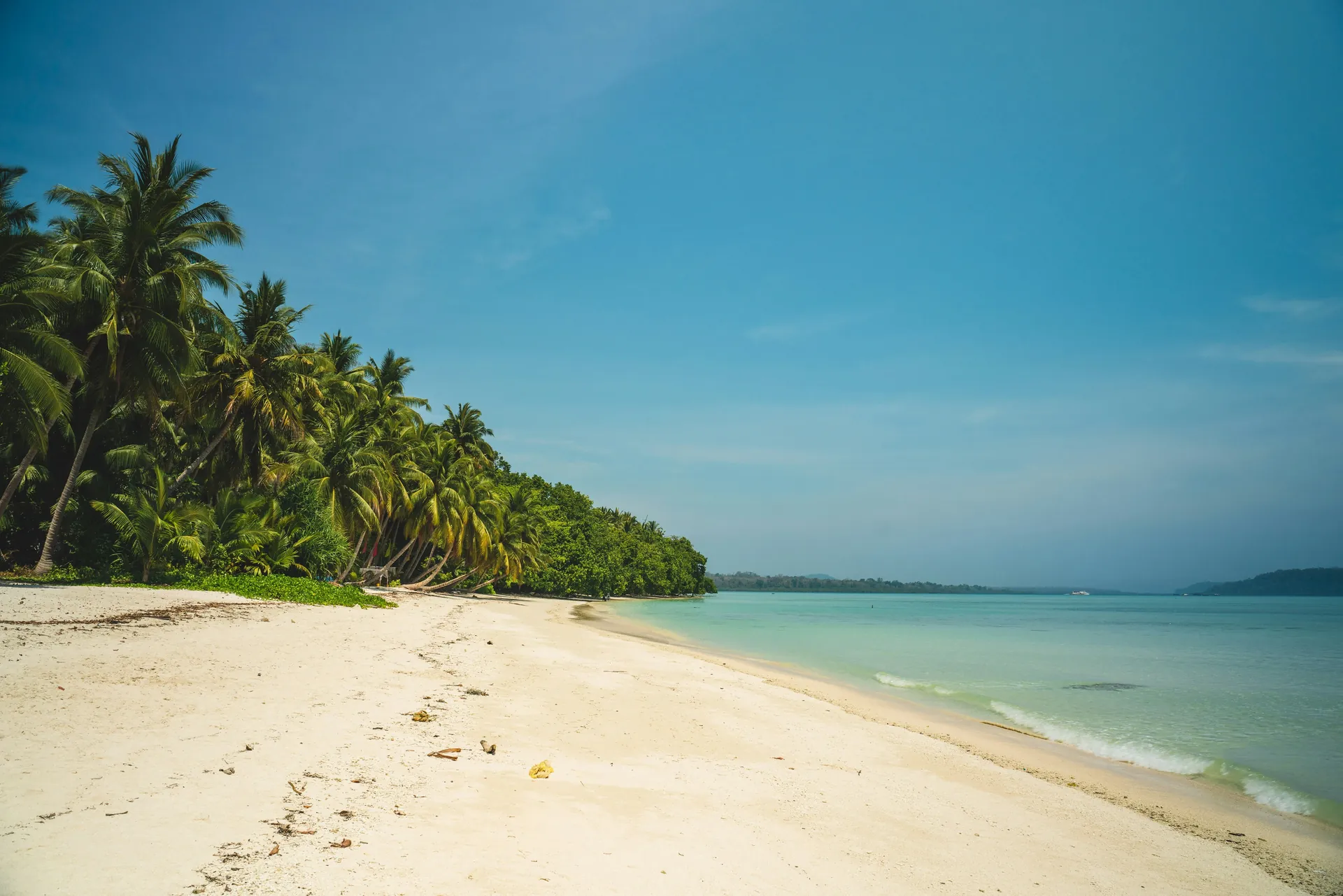
Scuba diving opens up a whole new world. Many travellers start with a try-dive on holiday and go on to get certified. Here are good places to begin.
In India
- Havelock Island (Swaraj Dweep), Andamans: India's most established diving destination, with many certified dive centres and beginner-friendly sites. See Scuba diving for first-timers in the Andamans.
- Lakshadweep: clear lagoons around Agatti and other islands, with permits required.
- Netrani Island, Karnataka: diving off the coast near Murudeshwar in season.
Abroad
- Maldives: many resorts have dive centres and house reefs.
- Thailand: Koh Tao is famous for beginner courses; Phuket and Krabi offer day trips.
- Bali: sites for all levels, including manta rays at Nusa Penida.
- El Nido (Palawan), Philippines: lagoons and reefs.
- Cairns & the Great Barrier Reef, Australia: the Great Barrier Reef.
Try-dive or course?
A try-dive is a short supervised experience. An Open Water certification takes three to four days and lets you dive independently with a buddy.
Health and safety
- Complete a medical questionnaire honestly.
- Do not fly for at least 18 to 24 hours after diving.
- Check that your insurance covers diving. See Travel insurance explained: what it covers and why it matters.
When to go
Visibility and conditions vary by season. The Andamans are best from about November to April; the Maldives from December to April.
See our Adventure holidays page.
Choosing where to learn
Calm, warm water with good visibility makes learning easier. Havelock and the Thai islands are popular for beginner courses because conditions are usually gentle in season and there are many dive centres to choose from. Ask about class sizes; small groups mean more attention from your instructor.
After certification
Once certified, keep diving within your training limits and log your dives. Your next trip could be a liveaboard in the Maldives or Komodo.
 India travel planning
 India travel planning
 India travel planning
 India travel planning