
Seeing the northern lights is magical, but it is not like flicking a switch. Here is what to expect.
It depends on the weather
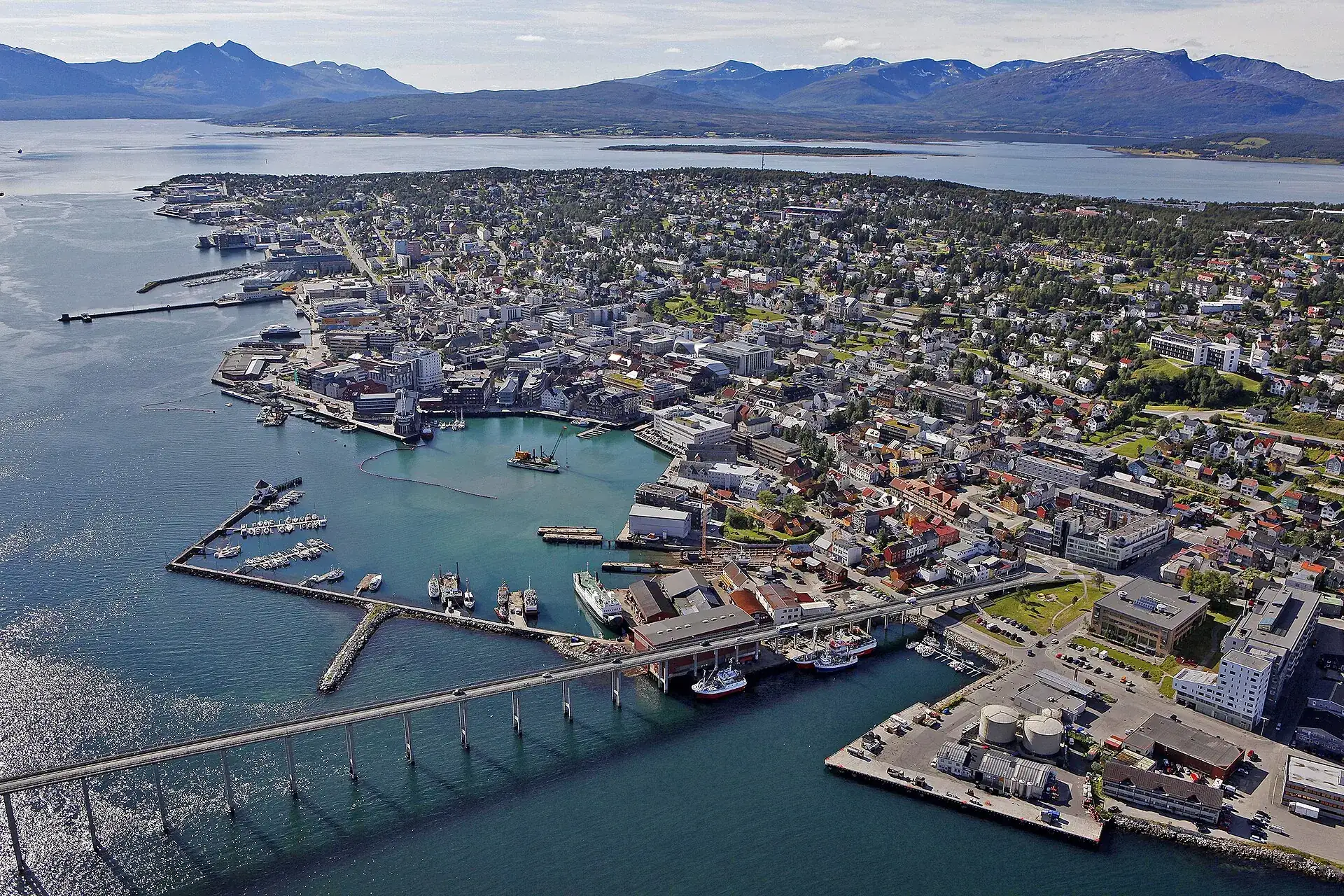
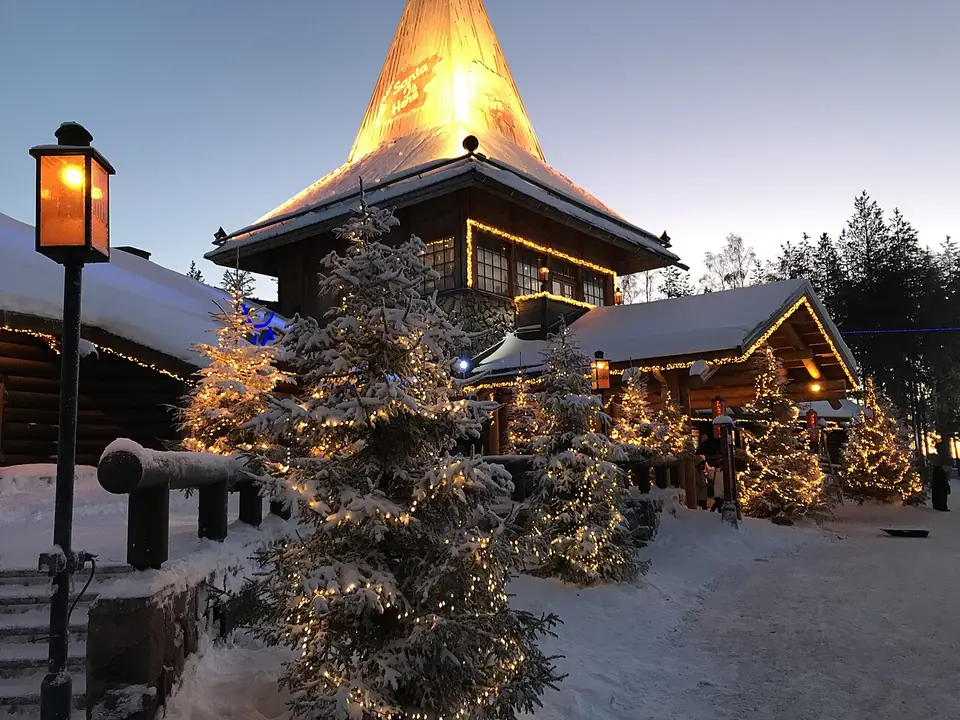
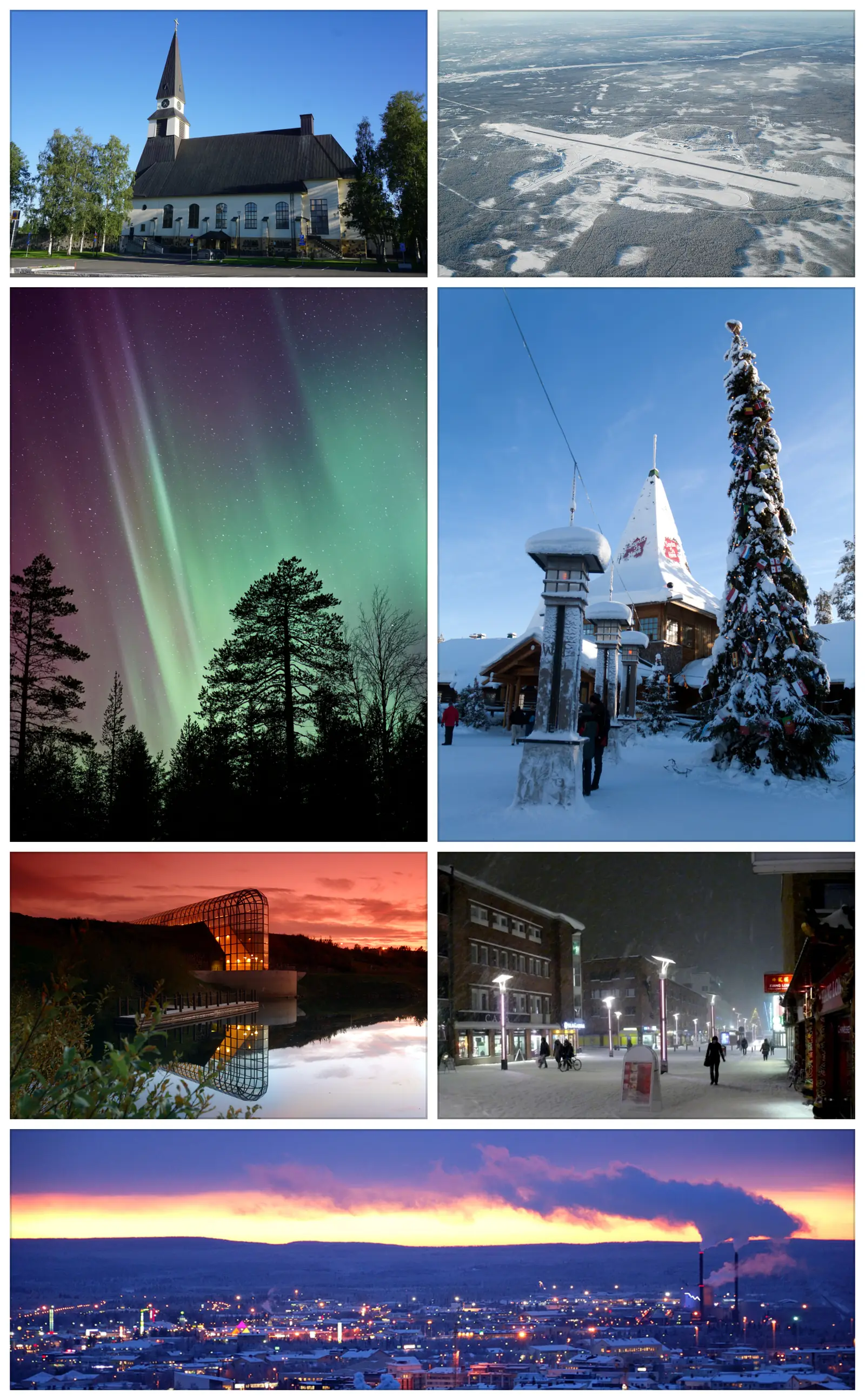
Clear skies matter as much as solar activity. Cloud is the most common reason people miss the aurora. Plan several nights in places like Tromsø, Rovaniemi (Lapland) or Iceland.
It can look different from photos
To the naked eye, a modest aurora can look like a pale green or grey glow. Cameras capture colours more strongly. Strong displays, though, are vivid and moving.
It is cold
Temperatures can be well below freezing. Dress in thermal layers and insulated outerwear; many tours provide thermal suits. See Packing for Europe in winter: staying warm without overpacking.
Patience is required
Displays can appear late at night and last minutes or hours. Guided tours chase clear skies and provide hot drinks and campfires.
Use forecasts
Aurora and cloud forecasts help, but they are not guarantees.
Photography tips
Use a tripod, a wide lens and long exposures, or a phone's night mode.
Plan other activities
Husky sledding, reindeer farms, snowmobiling, saunas and whale watching make the trip rewarding even on cloudy nights.
When to go
September to March. See Planning a northern lights trip: where, when and how many nights and our Festival and seasonal trips page.
Where to stay
Staying outside city lights improves your chances. Glass igloos and cabins in Lapland let you watch the sky from bed. In Tromsø, guided chases drive inland to find clear skies.
How long
Four to five nights gives you several chances. Combine the aurora with Christmas markets or a city break in Helsinki or Oslo.
 India travel planning
 India travel planning
 India travel planning
 India travel planning