
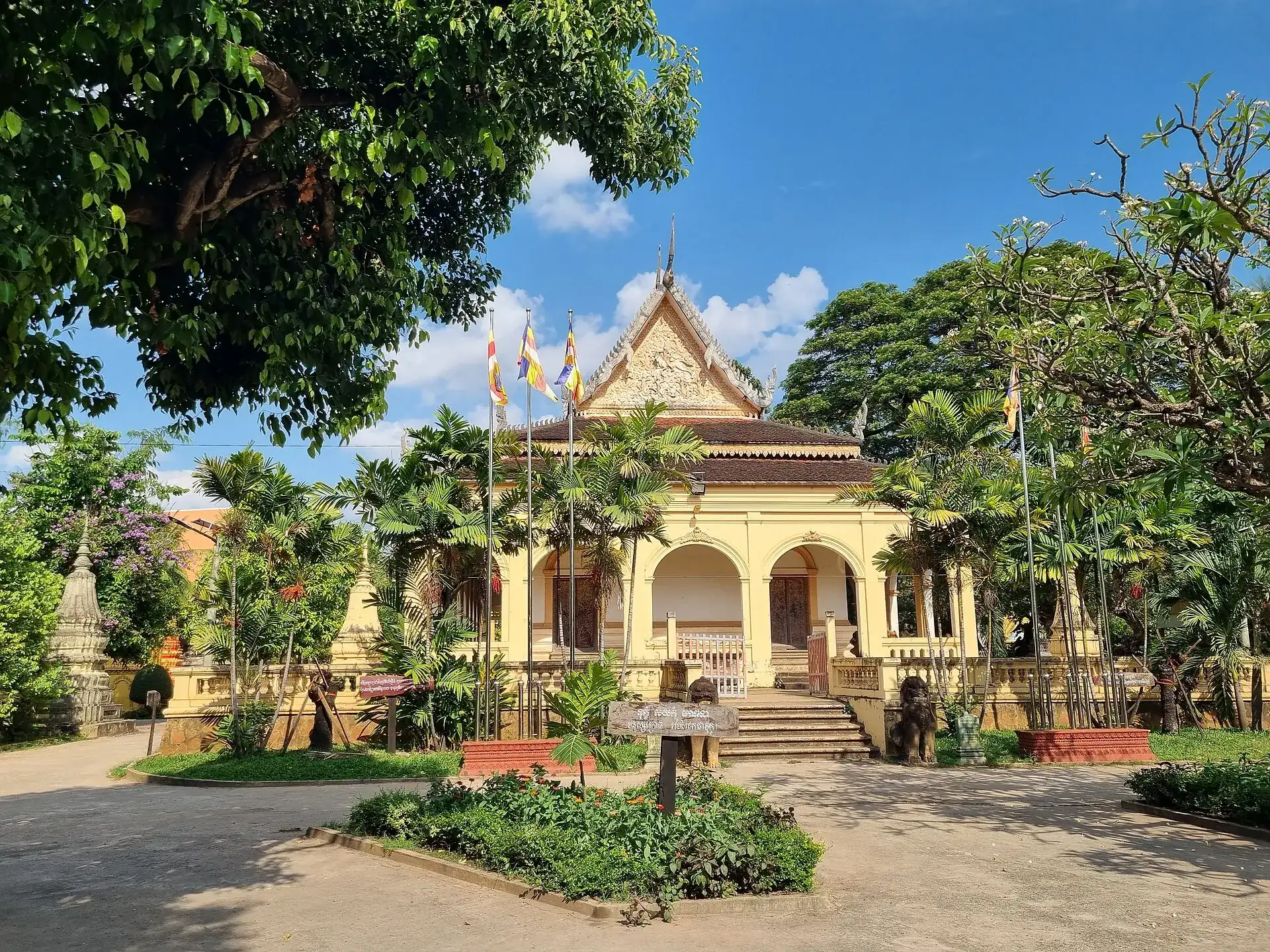
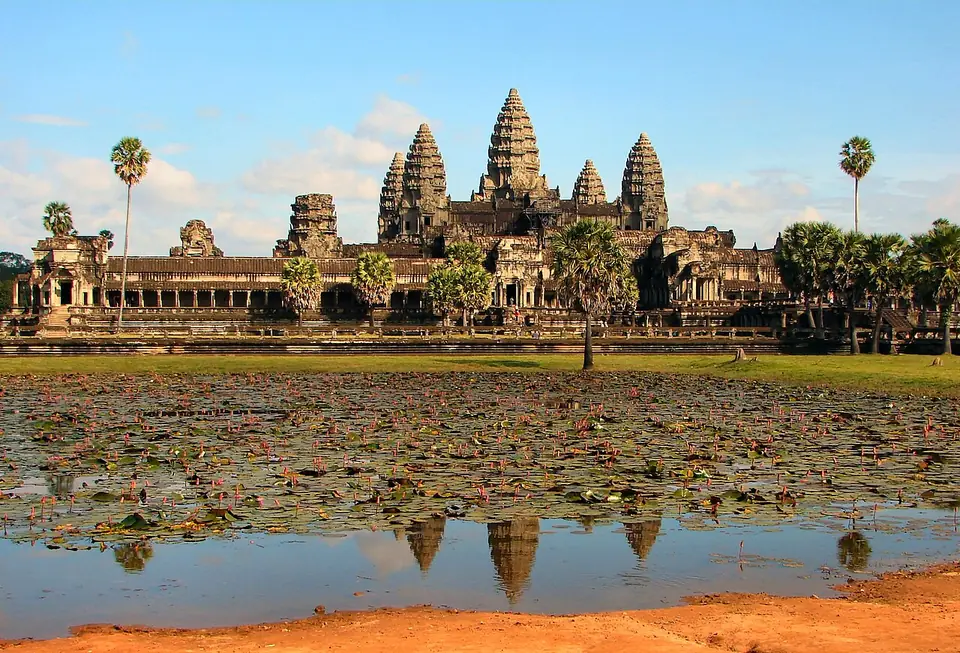
Angkor, near Siem Reap (Angkor) in Cambodia, is one of the world's great archaeological sites. Built between the ninth and fifteenth centuries, the temples were the heart of the Khmer Empire.
Angkor Wat
The largest religious monument in the world, built in the twelfth century as a Hindu temple to Vishnu before becoming Buddhist. Its bas-reliefs include the Churning of the Ocean of Milk and scenes from the Ramayana and Mahabharata, which Indian visitors often recognise.
Angkor Thom and the Bayon
A walled royal city whose centrepiece, the Bayon, is famous for its many serene stone faces.
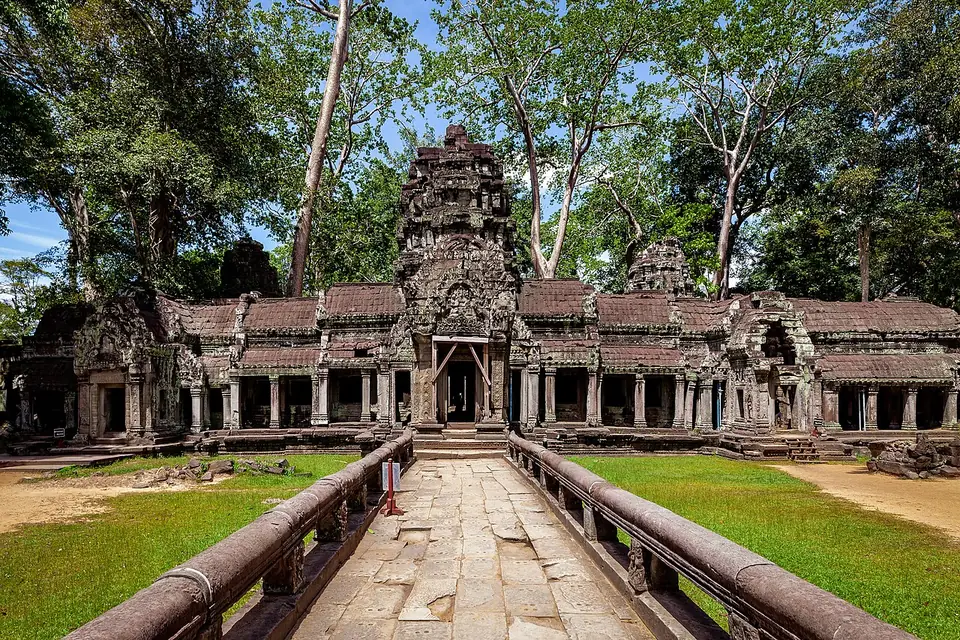
Ta Prohm
The temple where giant tree roots wrap around stone walls, left partly as it was found.
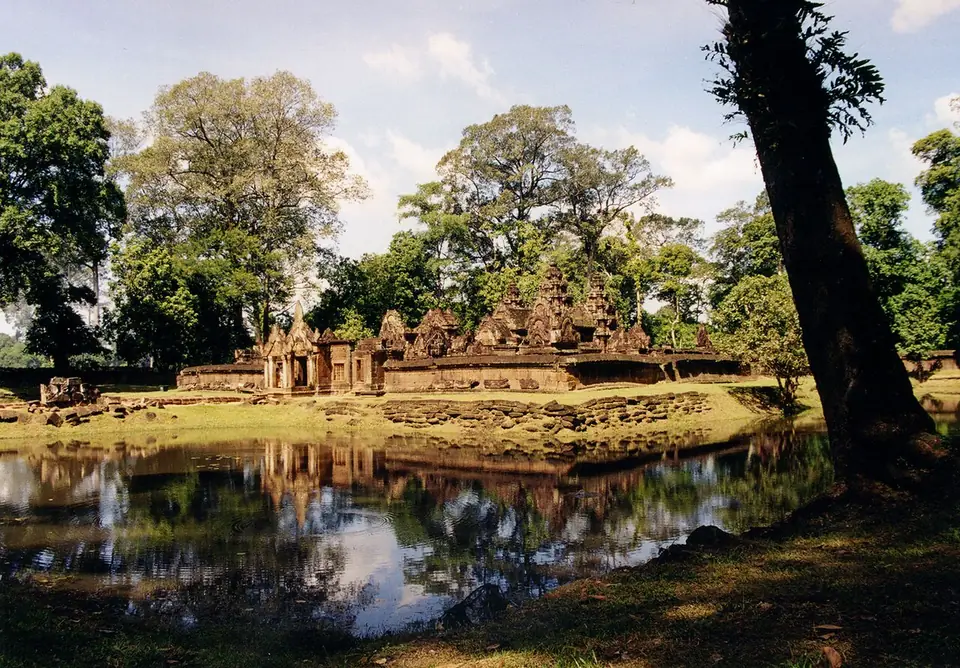
Banteay Srei
A small temple of pink sandstone with remarkably fine carvings, about an hour from the main group.
Other temples
Preah Khan, Neak Pean, Pre Rup and the Roluos group are quieter and rewarding.
Planning your visit
- Passes: buy a multi-day pass; one day is not enough for the main temples.
- Sunrise: Angkor Wat at sunrise is popular. Consider sunrise at a quieter temple and visiting Angkor Wat later.
- Guides: a licensed guide brings the carvings to life.
- Transport: tuk-tuks or private cars with drivers; cycling for the adventurous.
- Dress: cover shoulders and knees for the main temples.
- Heat: start early and rest at midday.
Combining Angkor
Add Phnom Penh for history, or combine Angkor with Vietnam or Thailand. See Two weeks in Southeast Asia: three routes for Indian travellers and our Cultural holidays page.
 India travel planning
 India travel planning
 India travel planning
 India travel planning